

Located in the Midwest, Minnesota is known for its lakes, outdoor landscapes, and long, cold winters. It’s often called the “Land of 10,000 Lakes,” with more than 11,000 lakes spread across the state.
Places like Minneapolis and St. Paul offer a mix of culture, food, and city life, while areas like the Boundary Waters Canoe Area Wilderness and the North Shore highlight its more remote, natural side.
So what is Minnesota actually known for?
In this guide, I’ll break it all down, from food and famous places to the history and culture that define the state.
Quick Facts About What Minnesota is Known For
- Famous foods: Tater tot hotdish, Juicy Lucy burger, wild rice soup, walleye, Spam
- Popular places: Minneapolis, St. Paul, Duluth, Boundary Waters Canoe Area Wilderness
- Landmarks & attractions: Mall of America, Split Rock Lighthouse
- Nature & outdoors: Lakes, forests, the North Shore, and cold winters
- Culture & identity: “Land of 10,000 Lakes,” hockey, Minnesota Nice, Scandinavian heritage
- Known for producing: Corn, soybeans, dairy, iron ore
What Food is Minnesota Known For?
Tater Tot Hotdish

A staple of Minnesota comfort food, tater tot hotdish is a dish you’ll see at potlucks, family gatherings, and weeknight dinners across the state.
It’s made by combining ground beef or turkey with vegetables and a creamy soup base, then topping it with a layer of crispy tater tots before baking. Everything cooks together in one pan, which makes it both simple to prepare and easy to serve.
The dish became especially popular in the Midwest during the mid-20th century, when casseroles like this were a practical way to feed families using affordable, pantry-style ingredients.
Walleye

As Minnesota’s state fish, walleye is one of the most well-known foods you’ll come across in the state.
It’s found in many of Minnesota’s lakes and is especially popular for its mild flavor and flaky texture. The fish is usually pan-fried, deep-fried, or grilled, often served with simple sides that let the flavor stand out.
Fishing for walleye is also a big part of the culture, particularly during the summer and ice fishing season in winter, which helps explain why it’s such a staple across the state.
Lutefisk and Lefse

Brought over by Scandinavian immigrants, lutefisk and lefse are two traditional dishes that still show up in Minnesota, especially during the holidays.
Lutefisk is made from dried whitefish that’s rehydrated and treated with lye, giving it a very soft texture and a distinctive taste that not everyone enjoys. Lefse, on the other hand, is a soft flatbread made from potatoes, usually served with butter and sugar or rolled up into a simple snack.
These dishes are most commonly found at holiday meals, church gatherings, and community events, reflecting the strong Norwegian heritage across parts of the state.
Wild Rice Soup
Unlike most rice, wild rice is native to the Great Lakes region, which is why it’s so closely associated with Minnesota.
It’s often used in a creamy soup made with vegetables like carrots, celery, and onions, along with chicken or turkey for added flavor. The rice itself has a slightly nutty taste and a firmer texture, which helps it stand out in the dish.
Wild rice has long been harvested in the region, particularly by Native American communities, and it continues to be an important local ingredient today.
Juicy Lucy

Instead of placing the cheese on top, the Juicy Lucy burger is known for having it sealed inside the patty.
It’s made by stuffing cheese between two layers of ground beef, then cooking it so the center melts. When you bite into it, the cheese runs out, which is why it’s often served with a warning to let it cool first.
The burger is closely tied to Minneapolis, where bars like Matt’s Bar and the 5-8 Club both claim to have invented it.
Spam
First produced in 1937 by Hormel Foods in Austin, Spam is one of the most recognizable foods to come out of Minnesota.
The canned meat became especially popular during World War II because it was inexpensive, easy to store, and didn’t require refrigeration. Over time, it gained a following well beyond the U.S., particularly in places like Hawaii and parts of Asia.
Today, it’s still closely associated with Minnesota, and you can even visit the Spam Museum in Austin, which highlights its history and impact.
What is Minnesota’s Signature Drink?
Bootleg Cocktail
First produced in 1937 by Hormel Foods in Austin, Spam is one of the most recognizable foods to come out of Minnesota.
The canned meat became especially popular during World War II because it was inexpensive, easy to store, and didn’t require refrigeration. Over time, it gained a following well beyond the U.S., particularly in places like Hawaii and parts of Asia.
Today, it’s still closely associated with Minnesota, and you can even visit the Spam Museum in Austin, which highlights its history and impact.
Places and Cities Minnesota is Known For
Twin Cities of Minneapolis and Saint Paul

Minnesota’s two largest cities, Minneapolis and St. Paul, are often referred to together as the Twin Cities.
Minneapolis is known for its modern feel, arts scene, and lakes, while St. Paul has more historic architecture and a quieter atmosphere. Despite their differences, the two cities are closely connected and easy to explore in the same trip.
Between them, you’ll find museums, theaters, restaurants, and parks, along with major sports teams and cultural events throughout the year.
Voyageurs National Park
In northern Minnesota near the Canadian border, Voyageurs National Park is known for its network of lakes and waterways.
Unlike many national parks, much of the area is only accessible by boat, which makes activities like kayaking, canoeing, and fishing a big part of the experience. The park is made up of four large lakes along with smaller islands and forests.
It’s also a good spot for wildlife and stargazing, especially in summer and winter, when the area feels more remote and less crowded.
Grand Marais
Sitting along the Lake Superior shoreline, Grand Marais is a small harbor town known for its arts scene and access to the outdoors.
It’s home to galleries, studios, and the Grand Marais Art Colony, along with a walkable waterfront area that includes Artist’s Point. The town also serves as a gateway to the Boundary Waters Canoe Area Wilderness and nearby hiking trails.
With a mix of local shops, restaurants, and lake views, it’s a popular stop along the North Shore.
Duluth

Overlooking Lake Superior, Duluth is one of the most well-known cities in northern Minnesota.
The city is centered around its waterfront, particularly the Canal Park area, where you’ll find shops, restaurants, and views of ships passing through the Aerial Lift Bridge. It’s also a starting point for exploring the North Shore, with access to hiking trails, scenic drives, and nearby state parks.
Duluth combines outdoor scenery with a small-city feel, making it a popular base for exploring this part of the state.
Boundary Waters Canoe Area Wilderness
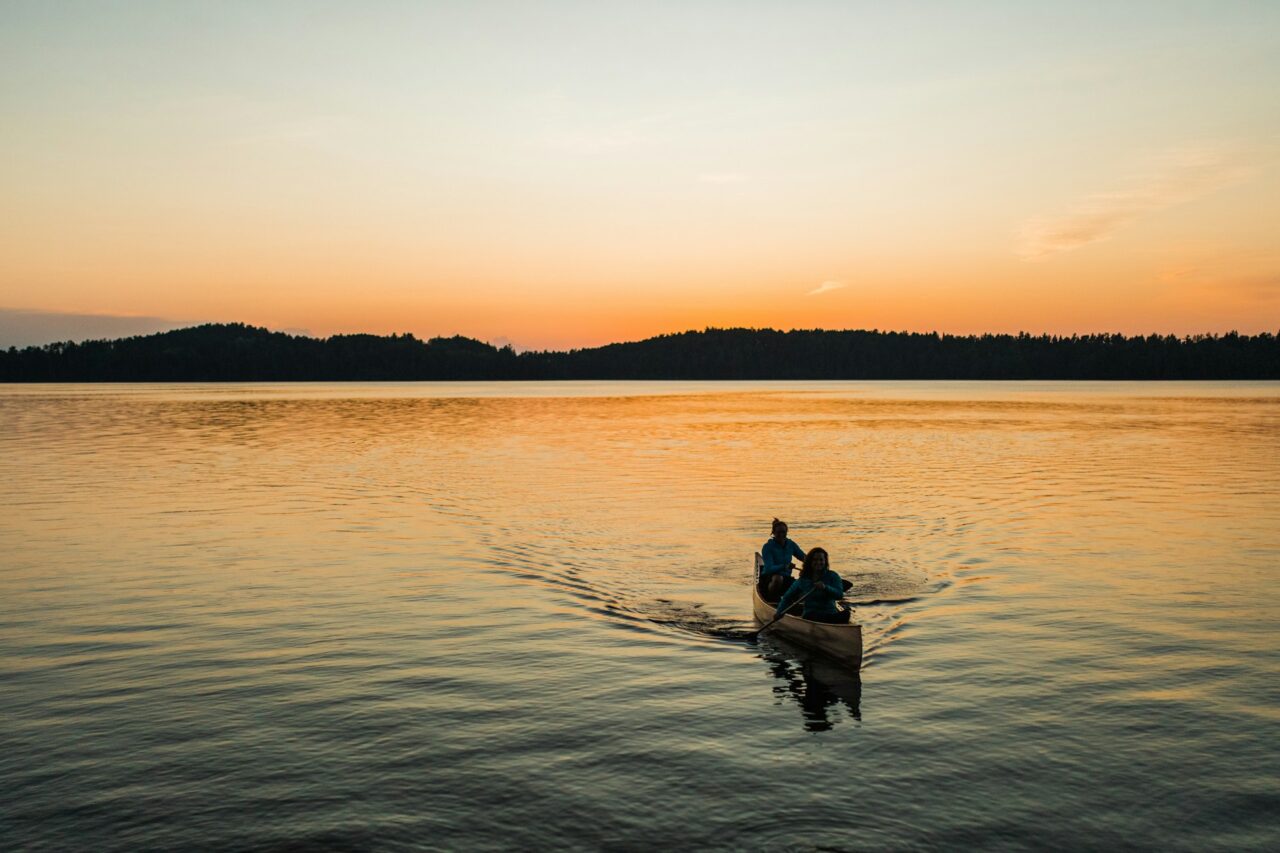
Covering over one million acres in northern Minnesota, the Boundary Waters Canoe Area Wilderness is one of the most remote and protected areas in the state.
It’s made up of a network of lakes, rivers, and forests, with more than 1,000 lakes connected by canoe routes and portage trails. Motorized boats are restricted in most areas, which helps keep it quiet and focused on paddling, camping, and backcountry travel.
Many visitors spend several days here moving between campsites by canoe, making it a very different experience from more accessible parks.
North Shore
Stretching along the shoreline of Lake Superior, Minnesota’s North Shore is one of the most scenic areas in the state.
The route runs northeast from Duluth toward the Canadian border, passing through small towns, state parks, and coastal viewpoints. Along the way, you’ll find waterfalls, rocky cliffs, hiking trails, and places like Split Rock Lighthouse.
It’s a popular drive, especially in the fall when the leaves change color, but it’s just as appealing in summer and winter for outdoor activities and lake views.
Landmarks and Attractions Minnesota is Known For
Pipestone National Monument
In southwestern Minnesota, Pipestone National Monument protects a site that has been used for centuries by Native American communities.
The area is known for its red pipestone, a soft rock that has traditionally been carved into ceremonial pipes. Quarrying still takes place today by Native American artisans, continuing practices that go back generations.
Visitors can walk trails through the site, see the quarries and a small waterfall, and learn more about the cultural significance of the area.
Mall of America
With more than 500 stores, the Mall of America is one of the largest shopping malls in the United States.
Beyond shopping, it includes an indoor theme park, an aquarium, and a wide range of restaurants, making it more of an entertainment complex than a typical mall. Nickelodeon Universe, the indoor amusement park, has roller coasters and rides right in the center of the building.
Located just outside Minneapolis, it draws visitors year-round and is one of the most visited attractions in the state.
Split Rock Lighthouse

Perched on a cliff above Lake Superior, Split Rock Lighthouse is one of the most recognizable landmarks in the state.
It was built in 1910 after a series of shipwrecks along the North Shore, designed to help guide vessels through the often rough waters of the lake. The lighthouse and its surrounding buildings have been preserved, giving a look at what life was like for the keepers who worked there.
Visitors can tour the site, walk the nearby trails, and take in views of the lake from one of the most photographed spots in Minnesota.
Mississippi River
Flowing from northern Minnesota all the way to the Gulf of Mexico, the Mississippi River begins its journey in this state.
Its headwaters are located in Itasca State Park, where the river starts as a narrow stream that visitors can actually walk across. From there, it grows into one of the most important rivers in the United States.
In Minnesota, the river plays a role in both recreation and the landscape, with parks, trails, and viewpoints along its route.
Land of 10,000 Lakes

Minnesota is often called the “Land of 10,000 Lakes,” although the state actually has more than 11,000.
These lakes are spread across the state and play a big role in everyday life, whether it’s boating, fishing, swimming, or simply spending time by the water. In the summer, lakes become a hub for outdoor activities, while in the winter they freeze over and are used for ice fishing and skating. These sprawling lakes are also famous for the Minnesota houseboat rentals that so many families enjoy year in and year out.
The number of lakes and how accessible they are is one of the main reasons Minnesota is so closely associated with the outdoors.
History, Culture and Activities Minnesota is Known For
Hockey
Few places in the U.S. are as closely associated with hockey as Minnesota, which is often called the “State of Hockey.”
The sport is played at every level, from youth leagues and high school teams to college programs and the Minnesota Wild. Outdoor rinks are common in winter, and it’s not unusual to see people playing on frozen lakes and backyard ice.
Minnesota has also produced a large number of professional and Olympic players, which helps explain why hockey is such a big part of the state’s culture.
Minnesota Nice
Often described as “Minnesota Nice,” the state has a reputation for being friendly, polite, and community-focused.
It usually refers to small, everyday behaviors, like holding doors open, helping strangers, or being generally considerate in social situations. People tend to be reserved but approachable, which shapes how interactions feel across the state.
The phrase isn’t official, but it’s widely used to describe the overall attitude and social culture you’ll come across in Minnesota.
Cold Winters

Winters in Minnesota are known for being long and extremely cold, with temperatures often dropping well below freezing.
In some parts of the state, especially in the north, temperatures can fall below 0°F (-18°C), with heavy snowfall and icy conditions lasting for months. Snowstorms and strong winds are also common, adding to how harsh the season can feel.
Despite that, winter is a big part of life in Minnesota, with activities like ice fishing, snowmobiling, and skating on frozen lakes becoming part of the season.
First Water Skis
Despite that, winter is a big part of life in Minnesota, with activities like ice fishing, snowmobiling, and skating on frozen lakes becoming part of the season.
North Star State
“The North Star State” is one of Minnesota’s official nicknames, taken from its state motto, “L’Étoile du Nord,” which means “Star of the North.”
The phrase reflects Minnesota’s northern location in the U.S. and has been used for centuries as a symbol of guidance and direction. It also appears on the state seal and flag, reinforcing its importance.
Today, the nickname is still widely used and is closely tied to Minnesota’s identity.
Major Corporations

Several large companies are based in Minnesota, making it an important center for business and industry in the Midwest.
The state is home to major corporations like Target, 3M, and Best Buy, all of which have headquarters in the Minneapolis–St. Paul area. These companies operate nationwide and have a significant presence in their industries.
Along with healthcare organizations and food companies, they play a big role in the state’s economy and employment.
Hmong People
Minnesota is home to one of the largest Hmong populations in the United States, with a strong presence in St. Paul.
Many Hmong families settled in the state after the Vietnam War, and over time the community has become an important part of Minnesota’s cultural landscape. Their influence can be seen in local markets, restaurants, festivals, and community events.
Celebrations like the Hmong New Year bring together traditional clothing, music, and food, offering a glimpse into the culture and traditions that continue to be passed down.
Minnesota State Fair
Held each year in St. Paul, the Minnesota State Fair is one of the largest and most well-known state fairs in the U.S.
It runs for 12 days leading up to Labor Day and draws millions of visitors with a mix of food, rides, live entertainment, and agricultural exhibits. The fair is especially known for its wide variety of food, including items served “on a stick,” along with classics like cheese curds.
It’s a major summer event in Minnesota and a big part of the state’s culture, bringing together farming, food, and entertainment in one place.
Mayo Clinic

Based in Rochester, the Mayo Clinic is one of the most well-known medical institutions in the world.
Founded in the late 1800s, it’s known for its research, specialized care, and patient-focused approach to medicine. People travel from across the U.S. and internationally to receive treatment there.
The clinic has played a major role in shaping healthcare and continues to be one of Minnesota’s most important institutions.
FAQs About What Minnesota is Known For
Minnesota is best known for its lakes, outdoor activities, and cold winters. It’s often called the “Land of 10,000 Lakes,” and places like Minneapolis and St. Paul are known for their culture, food, and arts scene.
Minnesota is known for comfort foods like tater tot hotdish, wild rice dishes, and walleye. You’ll also find Scandinavian-inspired foods like lefse, reflecting the state’s heritage.
Minnesota is a major producer of agricultural products like corn, soybeans, and dairy. It’s also known for mining, especially iron ore from the Iron Range, and has a strong manufacturing and food production industry.
Minnesota is called the “Land of 10,000 Lakes” because it has over 11,000 lakes across the state. These lakes are a big part of daily life, especially for fishing, boating, and outdoor activities.
Some of the most well-known places in Minnesota include Minneapolis, St. Paul, Mall of America, and natural areas like the North Shore of Lake Superior.
Minnesota is known for its Native American history, fur trading, and role in the development of the Midwest. It also played a part in the logging and mining industries, which helped shape the state’s economy.
Minnesota has a mix of Scandinavian heritage, arts, and music. It’s known for its theater scene, local festivals, and artists like Prince, along with a strong connection to outdoor lifestyles.
Famous People From Minnesota
- Prince – One of the most influential musicians of all time, born in Minneapolis and known for hits like Purple Rain.
- Bob Dylan – Born in Duluth, he became one of the most important figures in music and songwriting, winning a Nobel Prize in Literature.
- Judy Garland – Best known for her role as Dorothy in The Wizard of Oz, she was born in Grand Rapids, Minnesota.
- Chris Pratt – Actor known for roles in Guardians of the Galaxy and Jurassic World, born in Minnesota before moving elsewhere.
- Winona Ryder – Named after the town of Winona, she’s known for films like Beetlejuice and the series Stranger Things.
- Jessica Biel – Born in Minnesota, she’s known for roles in film and TV, including 7th Heaven.
- Seann William Scott – Known for his role as Stifler in the American Pie films, he was born in Minnesota.
- Josh Hartnett – Actor known for films like Pearl Harbor and Black Hawk Down, raised in Minnesota.
