

Installing side steps is one of those upgrades that can make your ute or 4WD feel more practical straight away. They make it easier to climb in and out, help passengers feel more confident, and can add a tougher, more finished look to the vehicle. For families, tradies, touring drivers and anyone with a lifted vehicle, good side steps can make everyday use much more comfortable.
But before booking an installation or trying to fit them yourself, it helps to understand what is involved. Side step installation is usually straightforward when the right parts are used, but fitment, strength, vehicle compatibility and intended use all matter. Here is what to expect when having side steps installed, and what to think about before the job begins.
Why Install Side Steps?
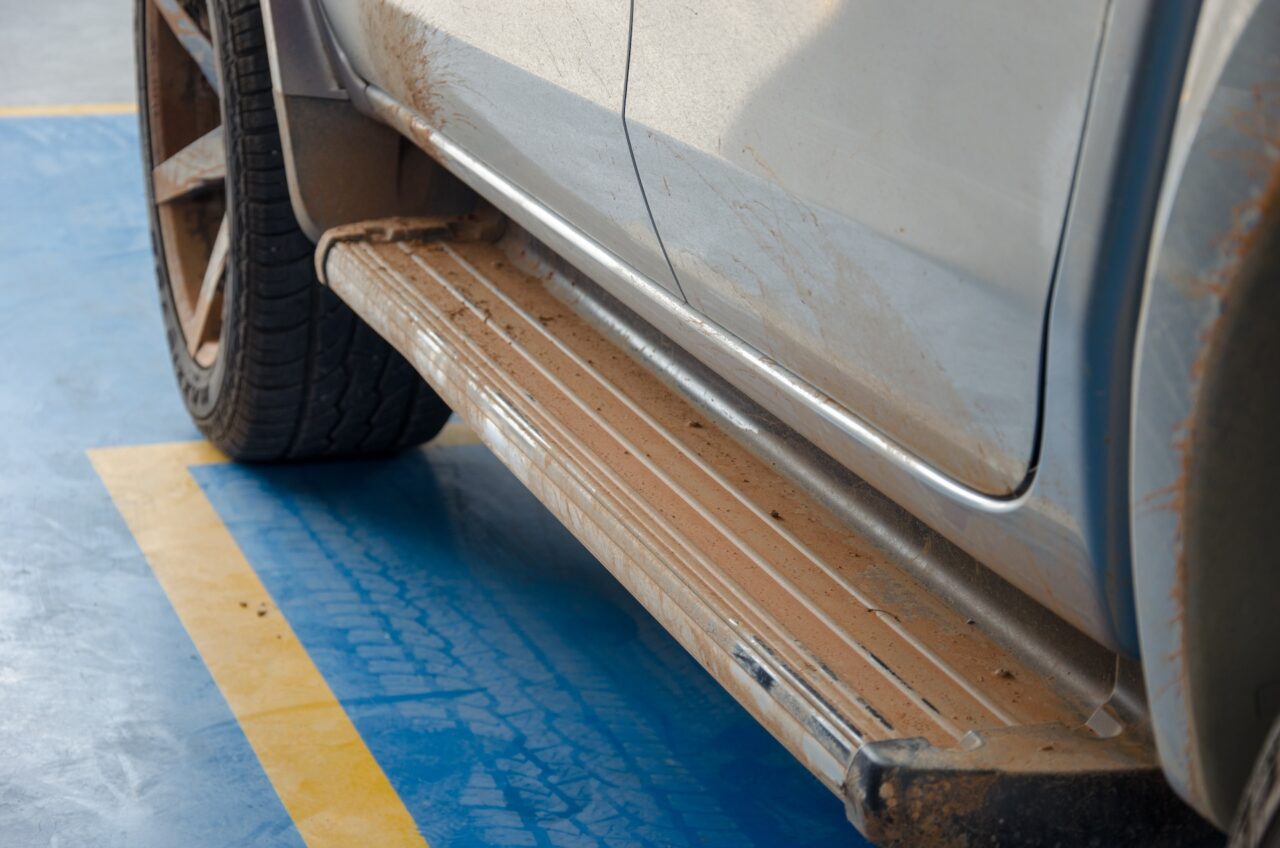
The most obvious reason to install side steps is easier access. Many utes and 4WDs sit higher than standard cars, especially once larger tyres or suspension upgrades are added. This can make getting in and out awkward, particularly for children, older passengers or shorter drivers.
Side steps create a lower stepping point between the ground and the cabin. That small difference can make daily driving, school drop-offs, worksite visits and weekend trips much easier.
They can also help when loading roof racks, washing the roof, reaching into a canopy or accessing gear on top of the vehicle. For touring setups, that extra step can be useful more often than you might expect.
What Happens During Installation?
The installation process depends on the vehicle and the type of side steps being fitted, but most jobs follow a similar pattern.
The installer will usually start by checking the vehicle make, model and year to confirm the steps are the correct fit. They will then inspect the mounting points underneath the vehicle. Many side steps are designed to bolt into existing factory points, which means drilling may not be needed.
Once the brackets are positioned, the steps are lined up and loosely fitted. This allows the installer to adjust the position before everything is tightened properly. The aim is for both sides to sit evenly, feel solid underfoot and line up neatly with the vehicle body.
After installation, the steps should be checked for movement, clearance and overall finish. A good set should feel secure, not flex excessively, and not rattle while driving.
How Long Does Side Step Installation Take?
For many vehicles, side step installation can be completed fairly quickly, especially if the steps are made specifically for that model and use existing mounting points. More complex installations may take longer, particularly if the vehicle has other accessories fitted underneath or if adjustments are needed.
The main thing is not to rush the job. Proper alignment and secure mounting are more important than speed. Side steps take weight every time someone climbs into the vehicle, so they need to be fitted carefully.
If you are booking a professional installation, ask what is included and whether the installer has fitted that style of side step to your vehicle before.
Vehicle Compatibility Matters
One of the biggest things to check before installation is whether the side steps are designed for your exact vehicle. A set that fits one model may not fit another, even if the vehicles look similar.
This is especially important with utes and 4WDs, where different series, cab styles and model years can change mounting points and body shape. Dual cab, extra cab and single cab vehicles may require different side step designs.
If you already have accessories such as flares, underbody protection, long-range fuel tanks or custom trays, these may also affect fitment. It is always better to confirm compatibility before installation day rather than discovering the issue halfway through the job.
Choosing Between Basic Side Steps and Heavy-Duty Options
Not all side steps are built for the same purpose. Some are designed mainly for access and appearance, while others are made for more rugged use.
Basic side steps are often ideal for everyday vehicles. They help with access, look neat and make the vehicle easier to live with. For school runs, commuting, light camping and general driving, they may be all you need.
Heavy-duty Clearview side steps or rock slider-style options are better suited to off-road driving, worksites and touring vehicles. They are stronger, use tougher mounting systems and provide better protection along the lower body of the vehicle.
Before installation, think honestly about how the vehicle is used. If it spends most of its life on-road, comfort and appearance may be your priorities. If it regularly sees ruts, rocks and rough tracks, strength and clearance become much more important.
Ground Clearance and Off-Road Use
Side steps can affect ground clearance, depending on how low and wide they sit. For city driving, this is rarely an issue. For off-road use, it can matter a lot.
A step that hangs too low may scrape on rocks, washouts or uneven tracks. If it is not designed to take impact, it could bend or damage the mounting brackets. This is why off-road drivers often look for side steps that sit close to the body or choose rock sliders instead.
If you plan to take your vehicle off-road, discuss clearance before installation. The best setup should give you a useful stepping surface without becoming the first thing that hits the ground.
Grip and Safety
A good side step should be safe to use in wet, muddy or dusty conditions. The stepping surface matters, especially if children, older passengers or work boots are involved.
Look for textured surfaces, tread plates or anti-slip sections that give you a secure footing. Smooth steps may look tidy, but they can become slippery when wet.
During installation, the position also matters. If the step sits too far under the vehicle, it may be hard to use. If it sticks out too far, it may feel awkward or catch on obstacles. The right position should feel natural when stepping in and out.
What to Check After Installation
Once the side steps are installed, take a few minutes to inspect the result. Both sides should sit evenly and feel stable when used. There should be no obvious movement, scraping, rattling or loose brackets.
Open and close the doors to make sure there is no interference. Check that the step position feels comfortable and that passengers can use it easily.
After a short period of driving, it may also be worth checking the fasteners, especially if the vehicle is used on rough roads. Some installers may recommend a follow-up check to make sure everything remains tight and secure.
Think About the Full Vehicle Setup
Side steps should work with the rest of your vehicle build. If you already have a bullbar, roof rack, canopy, lift kit or larger tyres, the side steps should suit both the look and function of the setup.
For a touring vehicle, side steps may help with cabin access and roof storage. For a work ute, durability and grip may matter most. For a family 4WD, passenger comfort and safety may be the main reason for installing them.
The best side steps are the ones that suit how the vehicle is actually used, not just how it looks in photos.
A Practical Upgrade Worth Doing Properly
Side step installation can be a simple upgrade, but it is still worth doing properly. The right steps should be compatible with your vehicle, fitted securely and positioned so they are easy and safe to use.
Before installing side steps, think about your vehicle type, passenger needs, off-road plans, ground clearance and the strength of the product. Decide whether basic steps are enough or whether a heavier-duty option makes more sense.
When fitted well, side steps make your vehicle easier to live with every day. They help passengers climb in confidently, make roof access simpler and add a more complete look to your ute or 4WD. It is a small upgrade that can make a noticeable difference every time you get behind the wheel.
