

Camping can be a thrilling escape into nature, offering a refreshing break from the hustle and bustle of everyday life. To truly enjoy your experience, you should invest some time in planning and preparation.
Whether you’re a seasoned camper or a novice, certain tips can enhance your time spent outdoors. With thoughtful packing, strategic campsite selection, and smart cooking techniques, you can turn any camping trip into an unforgettable adventure. Let’s outline some key strategies that will help you tackle potential challenges and make the most of your outdoor experience.
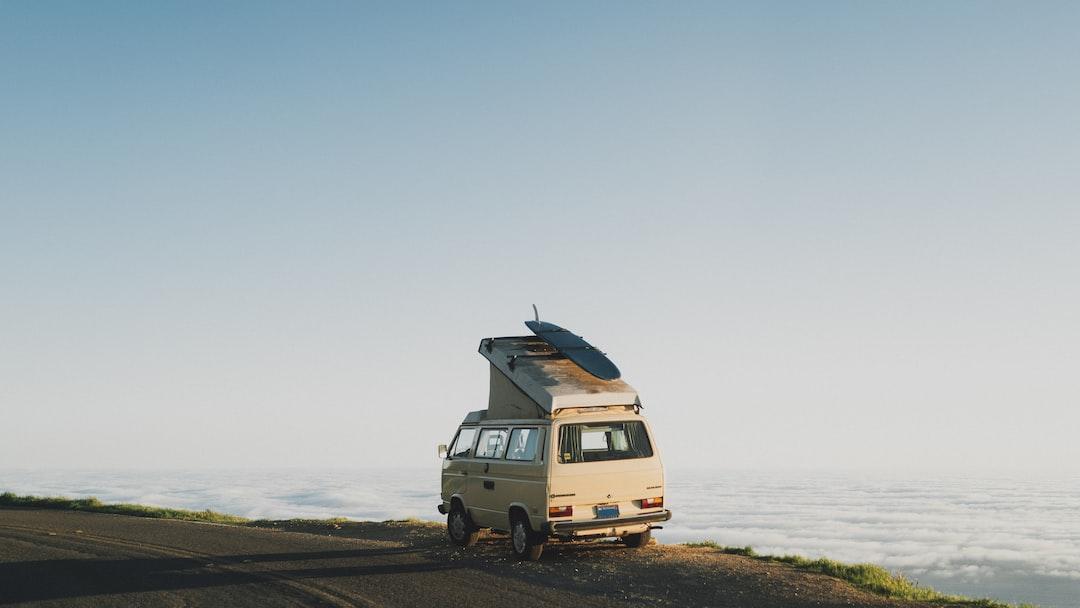
Choose the Right Campsite
When selecting a campsite, consider the location and amenities available in the area. Look for campsites that have access to clean drinking water, restrooms, and waste disposal facilities if you’re not looking to be entirely off the grid. Prioritize locations that offer protection from harsh weather conditions, so you are not directly exposed to the elements. Choose a site that is at least a couple of hundred feet away from any water source to minimize the impact on the ecosystem and ensure your safety.
Before finalizing a campsite, check the weather conditions for your camping dates. Sudden storms can impact your experience, making it uncomfortable or even dangerous. If you plan to use a 270 awning with walls for your set-up, ensure the site has enough space to accommodate it without being too close to dense foliage or wildlife habitats. You want your camping experience to be as relaxed as possible, so take your time to choose a spot that feels right.
Pack Smart for Your Adventure
Packing effectively can make or break your camping experience. First, create a checklist to ensure you pack all essentials without being excessive. Focus on lightweight and multi-functional equipment to save space. If you’re short on ground space or looking for elevated comfort, consider roof top tents by Intrepid, which offer quick setup and a comfortable sleeping solution above ground. Opt for a versatile cooking system that allows for various cooking methods.
Don’t forget to pack clothing that layers easily and is suitable for various weather conditions. Consider packing a portable charger for your devices to ensure you stay powered up while out in the wilderness. Even though camping is about disconnecting, some technology can be beneficial for safety and convenience.
Remember to include medical supplies in your kit: a basic first aid kit should suffice, including items like bandages, antiseptics, and any necessary medications. If you are being selective about what you bring, you can streamline your camping experience and focus more on enjoying nature.
Plan Meals Ahead of Time
Meal planning can save both time and hassle during your camping trip. Envision the meals you would like to prepare and consider the time it will take to cook them over a campfire or portable stove. Pre-cook or prepare as much food at home before you leave. Pack snacks that are easy to grab while hiking: granola bars, nuts, and dried fruits are excellent choices.
Think about ease and efficiency. Instant oatmeal or breakfast burritos can provide sustenance without demanding excessive effort. A fun tip for camping is to have themed meals—perhaps international cuisines for each night—adding an exciting twist to your trip. Efficient meal planning reduces stress and enhances the overall adventure.
Be Prepared for Weather Changes
Weather can be incredibly unpredictable in mountainous or forested areas. To avoid potential complications, always check weather forecasts before your trip and have a backup plan in place. Regardless of the forecast, pack for a variety of weather conditions.
Waterproof tents, tarps, and rain gear keep you dry and comfortable. Be sure to know how to properly set up your tent to withstand strong winds and possible rain. Choose a tent that’s well-rated for adverse weather conditions. Utility supplies such as extra tarps can be lifesavers to shield your campfire or dining area if unexpected rain occurs.
Prioritize Safety First
Safety should always be a primary concern during any camping trip. Before heading out, familiarize yourself with the local wildlife. Knowing which animals inhabit the area allows you to take necessary precautions to avoid encounters. Keep food stored securely and away from your sleeping area to deter wildlife.
Keep a first aid kit accessible, and make sure everyone knows its location. Make a plan for emergency communication in case cell service isn’t available. Agree upon a meeting point if anyone gets separated, and share your itinerary with someone who won’t be joining the trip. Prioritizing these safety measures means that you can enjoy your time without unnecessary worries intruding on your adventure.
Leave No Trace
A crucial component of camping is practicing Leave No Trace principles. Respecting nature during your journey safeguards the environment for future campers. All trash should be packed up and taken with you once you leave your campsite. Minimize your impact by using established paths and campsites, rather than creating new ones. When possible, use biodegradable soap and dispose of waste appropriately.
Educate your group about the importance of conservation and foster respect for the environment. Emphasizing responsible camping practices can create more enjoyable and sustainable experiences for everyone.
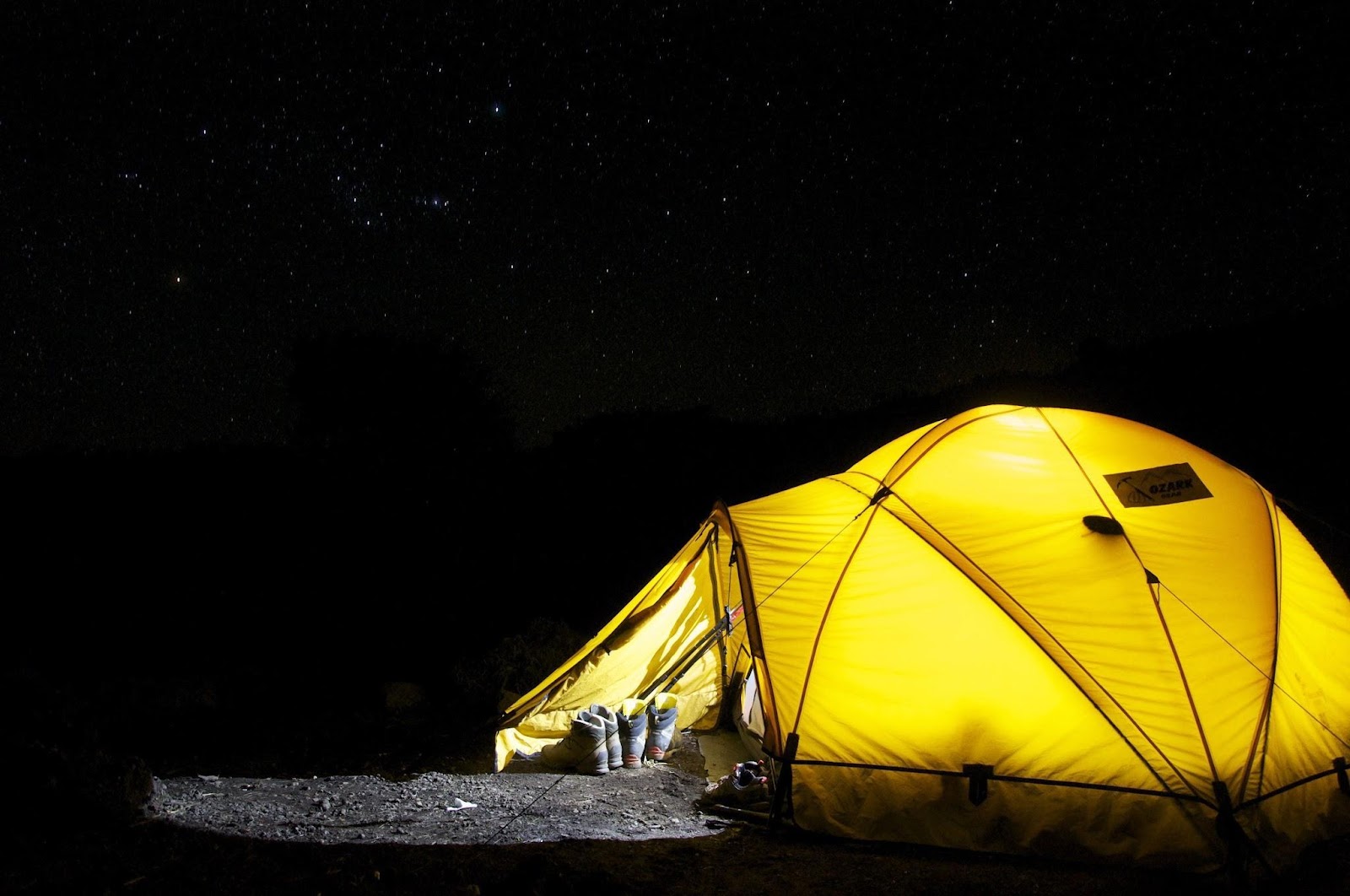
By committing to these practices, you ensure that others can enjoy the beauty of nature in the future as well. Being fully aware of these considerations can elevate your camping experience, making it more enjoyable and enriching for everyone involved. Once you prepare thoroughly and remain mindful of your surroundings, you can create lasting memories and enhance your time spent in nature.
