
A good day outdoors rarely happens by accident. The groups who come home still talking about it are usually the ones who made a few simple decisions early: what the day was for, who it needed to suit, and how much of it to settle in advance.
Visitors heading to Gatlinburg often arrive with a long list of possibilities and very little sense of how to fit them together, which is how entire mornings disappear to indecision. A little structure fixes that without draining any of the fun out of the day. The goal is not a strict schedule. It is a clear shape, with one thing everybody is looking forward to and enough room around it to breathe.
Choosing the Right Adventure for Your Group
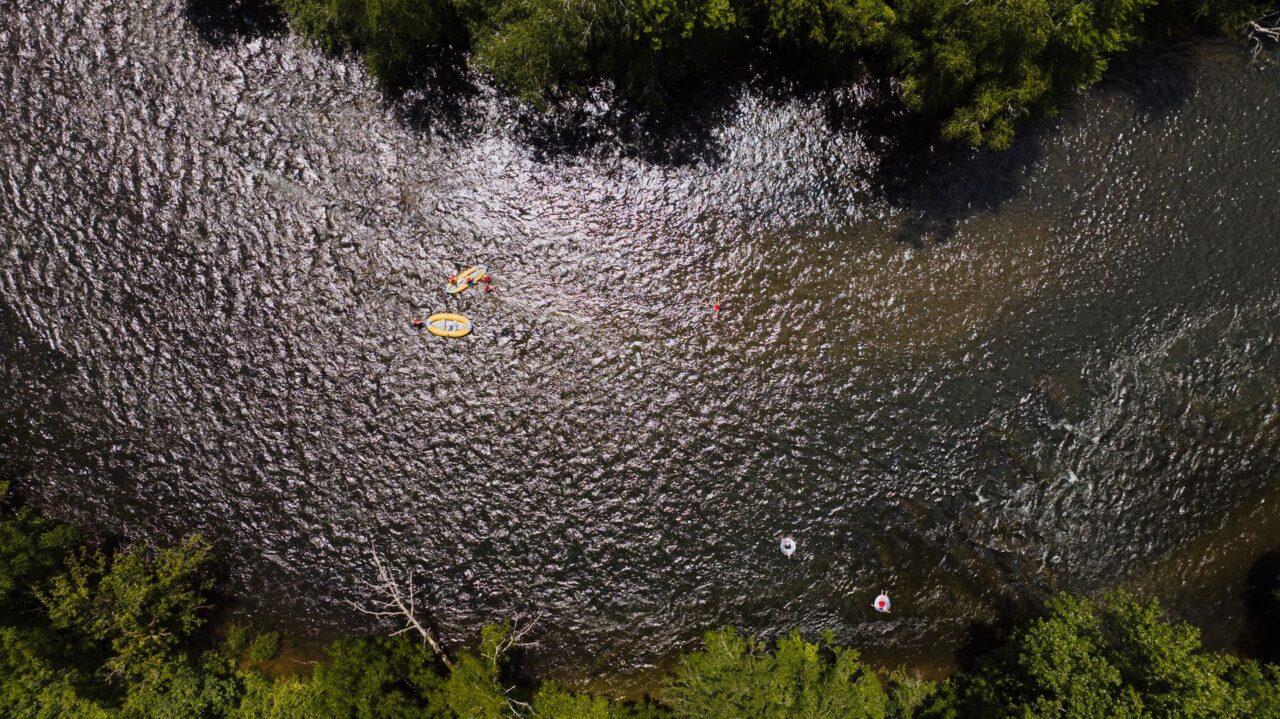
Everything else on the schedule arranges itself around the main event, so that single decision carries more weight than people expect. Rafting trips get booked in a hurry more often than almost any other activity, and a group that picks one without checking the difficulty can end up on water that is either too tame or well beyond what they wanted.
Guided trips sorted by age and nerve remove that risk completely. Smoky Mountain Outdoors sorts its trips that way, and anyone searching for rafting near Gatlinburg will find a level that fits the party. Calmer stretches of the Pigeon River suit younger families, the longer and faster runs suit older groups, and a combined trip covers anyone who wants the whole stretch. Read the descriptions properly before paying, and nobody in the party spends the day wishing they had chosen differently.
Decide What Kind of Day You Want
Before anything gets reserved, agree on the mood of the day. A group chasing excitement wants a different plan from a family hoping for something gentle and shared, and a couple with two free days wants something different again. This sounds obvious, but most disappointing days out come from a group that never said this part out loud. One person pictured a relaxed morning, another pictured a packed itinerary, and nobody found out until they were already in the parking lot.
Say it plainly at the start. Ask whether the group wants one big experience or several small ones, whether anyone has limits on walking or standing, and whether there is a hard finish time anyone needs to respect. Five minutes of conversation prevents hours of quiet frustration.
What to Bring Along for a Day Outside
Packing for a full day outdoors is mostly about avoiding the small discomforts that quietly ruin good moods. Dress in layers that can come off as the day warms up. Choose footwear that can get wet, muddy, or scuffed without anyone minding. Bring more drinking water than feels necessary, along with sunscreen and a hat, since shade is unreliable and sunburn ends a day faster than almost anything else.
Keep valuables to a minimum and leave anything irreplaceable behind. A dry bag or a simple waterproof pouch for a phone and keys is a small investment that saves a great deal of worry. One spare set of clothes per person, left in the car, is the single most appreciated item on any trip where people expect to get wet or dirty.
Giving the Day a Comfortable Shape
Timing is where most plans quietly fail. Groups underestimate how long it takes to get everyone out the door, how long the drive takes with traffic, and how long a guided activity actually runs once check-in and preparation are included. Add a buffer to each of those and the day stops feeling like a race.
Early starts are usually worth the complaints. Mornings are cooler, quieter, and far less crowded, and an early booking leaves the whole afternoon open rather than squeezing everything into the hours before dark. If the group genuinely does not function before nine, plan honestly around that instead of pretending otherwise.
Food, Breaks, and Keeping Energy Up
Hunger turns a cheerful group into an irritable one with remarkable speed, especially among children and anyone who has been active for a few hours. Eat a proper breakfast, carry simple snacks, and know in advance where the group will eat afterward so the decision does not have to be made by six tired people in a parking lot.
Plan at least one real break where everyone sits down with no agenda. It feels like lost time, and it is not. Those unhurried stretches are often the parts people remember most clearly once the trip is over.
Small Habits That Keep Everyone Safe
Most outdoor mishaps are ordinary rather than dramatic. Someone slips on a wet surface, someone gets too much sun, someone wanders off while the rest of the group is distracted. Simple habits prevent nearly all of it. Listen properly to any safety briefing, even the parts that sound routine. Keep younger members of the group paired with an adult. Tell someone outside the group where you are going and roughly when you expect to be back.
Trust the guides and staff running the activity. They work in those conditions daily; they have seen every mistake before, and following their instructions costs nothing while ignoring them can cost a great deal.
Ways to Hold On to the Day Afterward
Take fewer photos than you think you need and be present for more of it. A handful of good pictures, taken at moments that genuinely mattered, beats two hundred nearly identical ones nobody will look at again. Put the phone away during the parts that are actually happening.
Afterward, give the group a little time together before everyone scatters. A meal, a drink, or twenty minutes sitting somewhere comfortable while people retell the same three stories is what fixes a day in memory. The experience itself is only half of what makes a day worth remembering. The other half is the space you leave around it.
