
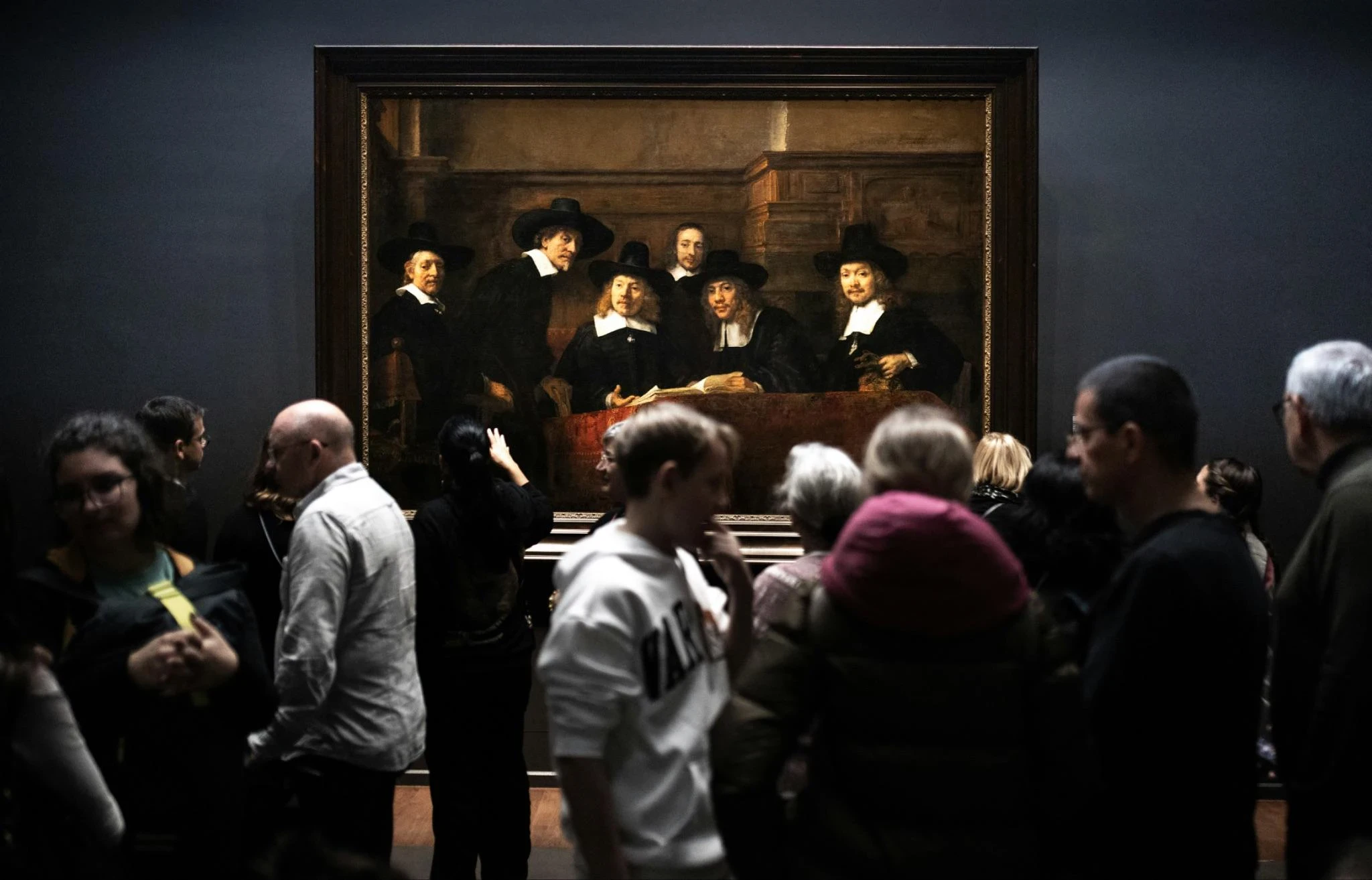
Europe has always been a meeting place for artistic ideas. Centuries-old paintings hang in grand museums, experimental exhibitions fill former factories and colourful murals transform ordinary streets into open-air galleries. For art lovers, the appeal of exploring the continent lies in this variety. One day might be spent admiring Renaissance masterpieces, while the next brings an encounter with contemporary installations, independent design studios or an unexpected piece of street art.
Making the Journey Between Creative Capitals
Exploring several artistic cities in one trip is relatively straightforward thanks to Europe’s international rail network. Travellers can build an itinerary around Berlin, Prague and Vienna, then continue towards other destinations without needing to fly. For longer distances, overnight services can help maximise time in each destination. Checking Nightjet train tickets is worthwhile when planning journeys on routes served by ÖBB Nightjet, particularly if travelling between cities in Austria, Germany, Switzerland and other connected destinations. Sleeper compartments can make the journey more comfortable, while advance reservations generally provide a better choice of accommodation.
Prague: Historic Beauty Meets a Modern Art Scene
Prague’s artistic identity is often associated with Gothic churches, Baroque interiors and the work of celebrated Czech painters. Yet the city has a lively contemporary scene that deserves just as much attention. Its galleries, creative districts and independent cultural venues provide an interesting counterpoint to the historic centre. The Prague to Berlin train is a particularly useful connection, with a journey of around four to five hours and scenic sections along the Elbe Valley. The National Gallery Prague is spread across several buildings, each with a different focus. Trade Fair Palace is particularly worthwhile for its modern and contemporary collections, while other locations offer opportunities to explore older European art and Czech masters. In the Malá Strana district, Museum Kampa presents modern Central European works in an attractive setting near the Vltava. For a more experimental atmosphere, head to Holešovice, part of Prague’s Art District 7. The area has developed into a centre for galleries, theatres, studios and creative spaces, including the DOX Centre for Contemporary Art. Its exhibitions often address current social and cultural themes, making it a good place to encounter work that feels connected to the present rather than confined to the past.
Berlin: Where Creativity Refuses to Stand Still
Berlin is one of Europe’s most compelling destinations for contemporary art. Its creative identity has been influenced by political change, underground culture and the transformation of former industrial buildings into studios, galleries and exhibition spaces. The result is a city where traditional institutions and independent artistic communities exist side by side.
The East Side Gallery is an obvious starting point. This long section of the former Berlin Wall has become an outdoor gallery covered in murals by artists from around the world. Its political history gives the artwork an added significance, making it more than simply a colourful backdrop for photographs. For a different perspective, explore Kreuzberg and Friedrichshain, where street art, independent galleries and alternative cultural spaces are part of everyday neighbourhood life. Museum Island provides a contrast to Berlin’s contemporary scene. Its collection of major cultural institutions covers archaeology, sculpture and European art, making it possible to spend an entire day moving between different periods and artistic traditions. Meanwhile, Hamburger Bahnhof, housed in a former railway station, focuses on modern and contemporary works. Berlin rewards visitors who leave time for smaller galleries, too, particularly in areas such as Mitte and Neukölln, where exhibition spaces often showcase emerging artists.
Amsterdam: Masterpieces and Urban Expression
Amsterdam offers an extraordinary range of artistic experiences within a relatively compact city. The Rijksmuseum provides an introduction to Dutch Golden Age painting, with Rembrandt and Vermeer among its major attractions. Nearby, the Van Gogh Museum traces the development of one of the country’s most influential artists through paintings, drawings and personal correspondence. Contemporary art has an equally important place in the Dutch capital. The Stedelijk Museum focuses on modern art and design, with collections that include painting, photography and experimental forms. Visitors interested in photography can also explore Foam, which regularly presents exhibitions by established and emerging photographers.
Vienna: A Conversation Between Classical and Contemporary Art
Vienna’s reputation as a cultural capital rests on centuries of artistic achievement. Its museums contain some of Europe’s most recognisable works, while its architecture reflects the influence of different artistic movements. The Belvedere is essential for visitors interested in Austrian art, particularly the paintings of Gustav Klimt. Its collection includes The Kiss, one of the most celebrated works associated with the city. The Leopold Museum, located in the MuseumsQuartier, is another important stop. It holds a major collection of Austrian modernism, including works by Egon Schiele and other artists who helped define the period. The nearby Museum of Modern Art Ludwig Foundation Vienna, known as mumok, provides a different perspective through contemporary and experimental collections.
Florence: The Enduring Influence of the Renaissance
Florence is an essential destination for anyone fascinated by the history of European art. The city’s Renaissance heritage is visible throughout its streets, churches and palaces, and its major museums contain works that changed the course of Western art. The Uffizi Gallery is the obvious priority, with paintings by Botticelli, Leonardo da Vinci, Michelangelo and other masters. The Accademia Gallery is best known for Michelangelo’s David, but it also provides insight into the city’s wider artistic traditions. Beyond the museums, Florence itself feels like an open-air collection. The cathedral complex, Palazzo Vecchio and the churches of Santa Croce and Santa Maria Novella all reveal different aspects of its architectural and decorative history.
Follow the Art, Not Just the Tourist Trail
Europe’s creative cities offer far more than famous paintings and impressive museum buildings. Berlin’s street culture, Prague’s independent galleries, Amsterdam’s urban installations, Vienna’s artistic contrasts and Florence’s Renaissance treasures each reveal a different side of the continent. The best approach is to allow enough time for both major collections and unexpected discoveries. Visit a small exhibition, wander through an artistic neighbourhood or step inside a workshop that catches your attention. These encounters often provide the clearest picture of what makes a city creative, and they can be just as memorable as seeing a masterpiece for the first time.
