

Istanbul is a city abundant in history and culture, with a rich heritage shaped by centuries of empires, conquests, and migrations. From the majestic Ottoman palaces to the Byzantine churches and ancient Roman ruins, Istanbul is a treasure trove of cultural landmarks and attractions that offer a glimpse into the city’s past and present.
Planning a trip to Istanbul? In this article, we will take you on a tour of Istanbul’s cultural heritage, highlighting some of the city’s most famous landmarks, lesser-known gems, and cultural activities that allow you to immerse yourself in the city’s rich history and traditions.
Historical Landmarks
Exploring historical landmarks is an essential part of any cultural tour of Istanbul. These landmarks offer a glimpse into the city’s past and showcase the architectural, artistic, and religious traditions that have shaped Istanbul over the centuries. With its rich history and unique blend of Eastern and Western influences, Istanbul is home to countless architectural treasures, museums, and monuments that offer insights into the city’s past and present.
Some of the must-visit historical landmarks in Istanbul include:
Hagia Sophia
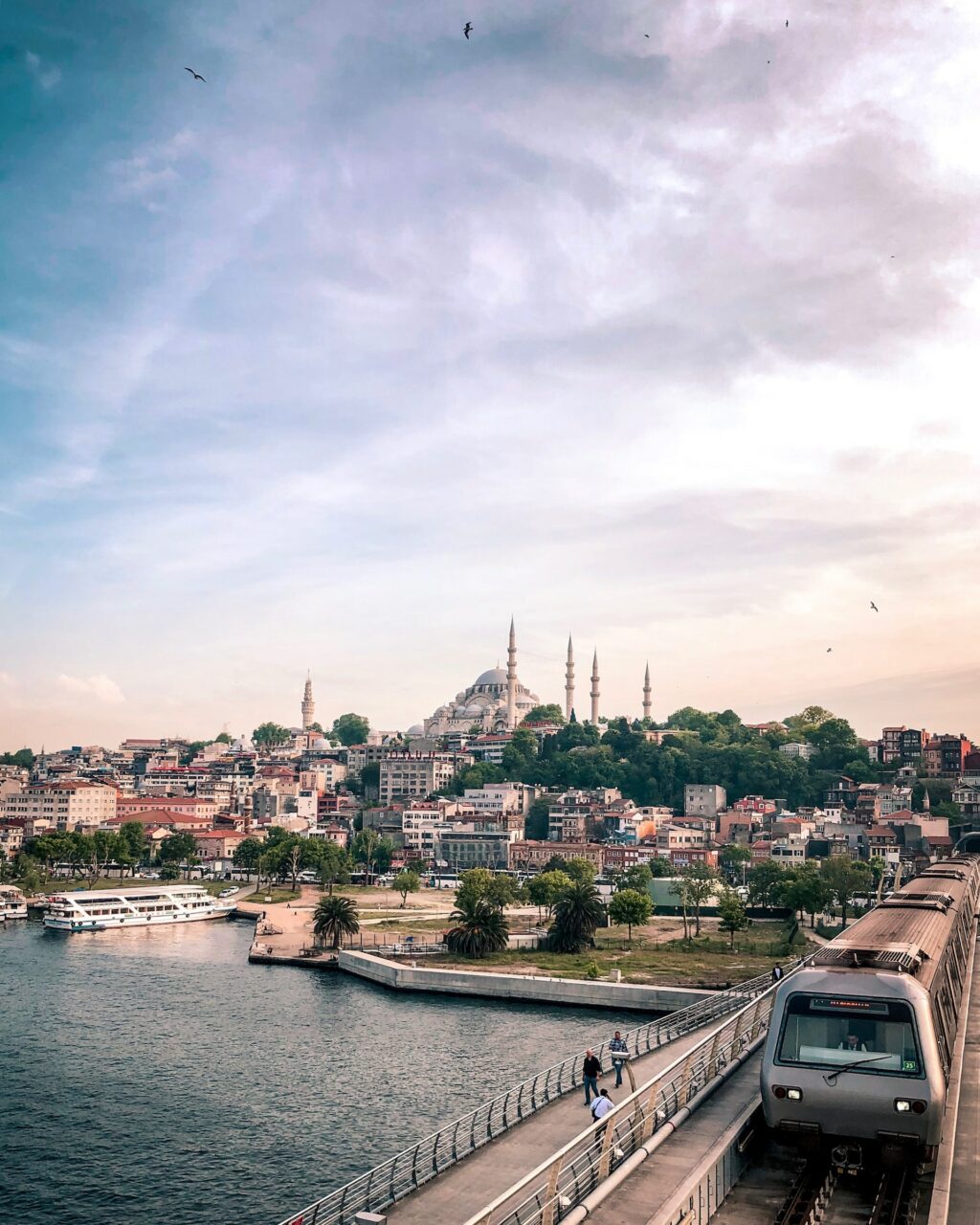
Also known as Ayasofya, Hagia Sophia is a historical architectural marvel originally built as a Christian basilica in 537 AD by the Byzantine Emperor Justinian I. It was later converted into a mosque by the Ottoman Empire in 1453 and then into a museum in 1935. With its striking dome and intricate mosaics, Hagia Sophia is regarded as a brilliant example of Byzantine architecture and a representation of the abundant history of Istanbul. Beyond the main attractions lie other hidden gems, such as the grand Imperial Gate, towering minarets, and a small but intriguing library, each contributing to the rich tapestry of the monument’s past. Today, it is one of the most visited landmarks in Istanbul, symbolizing the city’s rich cultural heritage.
Topkapi Palace
A stunning example of Ottoman architecture and design, Topkapi Palace, also called the Seraglio, was the primary residence of the Ottoman Sultans from the 15th to the 19th century and served as the center of the Ottoman Empire’s administration. It features several courtyards, pavilions, and rooms that offer a glimpse into the luxurious lifestyle of Ottoman royalty. Visitors can explore the palace’s various sections, including the Imperial Treasury, the Harem, and the Sacred Relics room. The palace also houses several exhibitions, showcasing a vast collection of Ottoman-era artifacts, including weapons, ceramics, and textiles. Explore and discover why this beloved landmark continues to draw visitors from far and wide.
Blue Mosque
The Blue Mosque, otherwise known as the Sultan Ahmed Mosque, was built in the early 17th century under the rule of Sultan Ahmed I. It is known for its stunning blue tiles that adorn the interior of its domes and walls. The mosque features six minarets, a large central dome, and several smaller domes, creating a breathtaking and awe-inspiring atmosphere. Visitors can admire the mosque’s intricate architecture and stunning details, such as the delicate calligraphy and intricate tilework. The Blue Mosque remains an important cultural and religious site in Istanbul, attracting visitors from all over the world who come to marvel at its beauty and learn about its fascinating history.
Lesser-Known Cultural Gems
Venturing to discover lesser-known cultural gems is a great way to uncover the hidden treasures of Istanbul. Beyond the city’s famous landmarks lies a wealth of cultural destinations waiting to be explored, such as the Chora Church, the dizzying alleys of the Grand Bazaar, and the Galata Tower. These cultural gems offer a unique and authentic experience of Istanbul’s rich cultural scene and are not to be missed by any traveler looking for a deeper understanding of the city’s culture and traditions.
Chora Church
The Chora Church is a stunning example of Byzantine art and architecture. Originally built as a monastery in the 4th century, the church was rebuilt in the 11th century and then extensively renovated in the 14th century. The church is known for its breathtaking frescoes and mosaics that depict scenes from the life of Christ and the Virgin Mary. The church’s interior features intricate stone carvings, colorful tiles, and gold leaf accents, creating a mesmerizing and awe-inspiring atmosphere. The Chora Church has been restored several times over the centuries and is now a museum that showcases some of the finest examples of Byzantine art in the world. Visitors can explore the church’s various sections, including the nave, the narthex, and the parekklesion (side chapel), and admire the exquisite art and architecture that make it a true cultural treasure.
Grand Bazaar
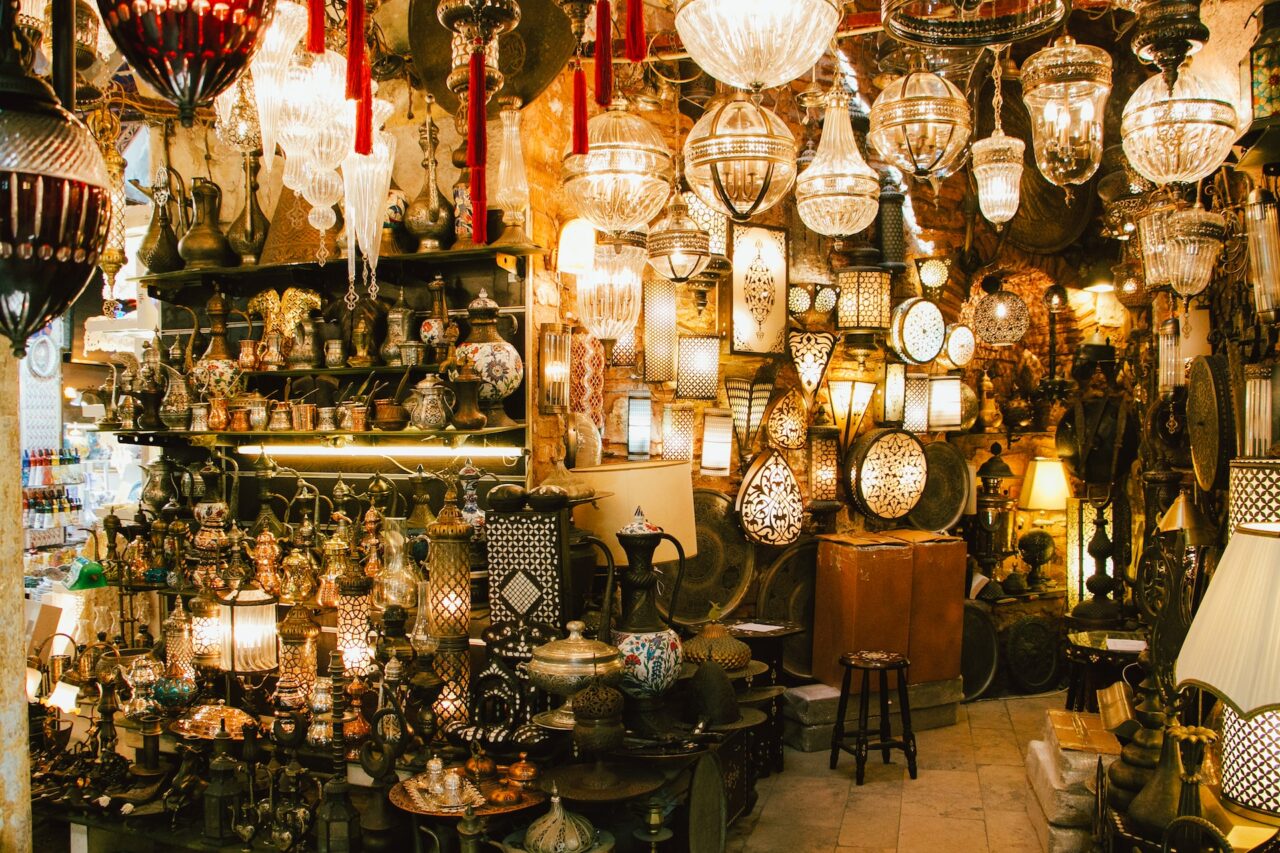
The Grand Bazaar is a covered marketplace of immense size, counted among the oldest and largest of its kind in the world. With over 4,000 shops and stalls that sprawl over 60 streets, the bazaar is a maze of winding alleys, vibrant colors, and bustling crowds. The Grand Bazaar is a shopper’s paradise that offers a vast array of goods, including textiles, spices, jewelry, ceramics, and souvenirs. Visitors can bargain with friendly vendors, sample delicious Turkish snacks, and immerse themselves in the sights, sounds, and smells of one of the world’s most iconic marketplaces. The bazaar has a rich history that dates back to the 15th century, and today it remains one of Istanbul’s most popular and enduring cultural landmarks. Visiting the Grand Bazaar is a must-do for anyone interested in experiencing Istanbul’s vibrant and dynamic culture.
Galata Tower
The Galata Tower is a medieval tower that offers stunning panoramic views of the city and the Bosphorus Strait. Built in the 14th century, the tower is one of Istanbul’s oldest and most iconic landmarks. Visitors can climb to the top of the tower and enjoy breathtaking views of the city’s skyline, including the Hagia Sophia, the Blue Mosque, and the Topkapi Palace. The tower’s observation deck is also a popular spot for watching the sunset and taking in the city’s beauty. The Galata Tower has a rich history that spans centuries, and it has been used as a watchtower, a prison, and a fire lookout over the years. Today, it is a popular tourist destination, a must-do for anyone who wants to experience the magic of Istanbul from above.
Cultural Activities
In addition to visiting the historical landmarks and cultural gems, many cultural activities allow you to immerse yourself in Istanbul’s rich heritage. Some of the must-try cultural activities in Istanbul are:
Attend a traditional Turkish music performance
Music is an essential part of Turkish tradition and has been influenced by various civilizations over the centuries. Traditional Turkish music blends Middle Eastern, Central Asian, and Balkan influences and features unique instruments like the oud and the saz. Listening to live music performed by skilled musicians is a great way to experience the beauty and complexity of this art form firsthand. Some popular places to enjoy traditional Turkish music performances in Istanbul include the Hodjapasha Cultural Center, which hosts Whirling Dervish and Ottoman music performances, and the Istanbul Music Festival, which takes place in June and features traditional Turkish music as part of its programming. The Istanbul Jazz Festival in July is another notable event that may include performances of traditional Turkish music. The vibrant and passionate performances will leave visitors with a lasting impression and a deeper appreciation of the music and culture of Turkey.
Take a walking tour of a historic neighborhood
By exploring a neighborhood on foot, visitors can better understand its unique character, architectural style, and community spirit. Walking tours also offer the opportunity to learn about the history of a place and the people who have lived there, providing a more comprehensive and personal perspective on the destination.
In Istanbul, some of the best historic neighborhoods to explore on foot include the charming cobblestone streets of Balat, the vibrant and bustling Grand Bazaar, and the trendy and artsy Karaköy neighborhood, each offering a unique glimpse into the city’s past and present. Walking tours of these neighborhoods can be arranged through various tour companies or can be self-guided with the help of online resources and travel guides.
Experience Traditional Turkish Cuisine and Coffee
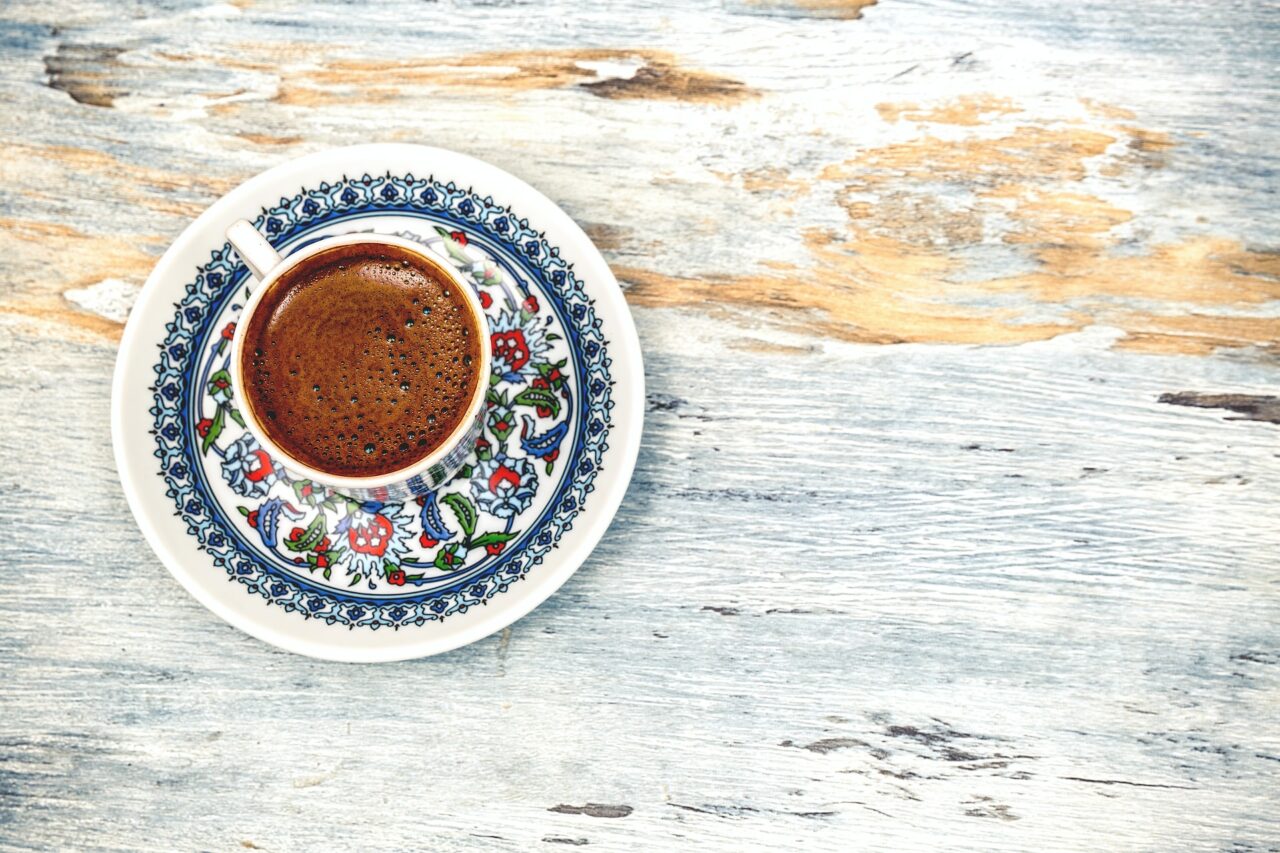
Istanbul offers a range of opportunities for tourists to experience Turkish cuisine, such as taking cooking classes at Istanbul Cooking School or the Istanbul Culinary Institute. These classes provide insights into traditional Turkish dishes and cooking methods, as well as a chance to sample some of Turkey’s most iconic flavors.
Visitors can also participate in a Turkish coffee ceremony, a traditional ritual that involves the preparation and presentation of Turkish coffee, accompanied by sweet treats like Turkish delight or baklava. It is important to note that Turkish coffee ceremonies are traditionally performed in a specific way and involve certain customs and rituals that may only be present in some coffee shops or cafes. However, visitors can still experience traditional Turkish coffee by visiting specialized coffee shops and cafes focusing on Turkish coffee culture or attending workshops and demonstrations at cultural centers or museums.
Visit art museums
Istanbul is home to a wide range of museums that exhibit art from different periods and styles, including Ottoman, Islamic, and contemporary art. Some of the most popular art museums in the city include the Istanbul Modern Art Museum, which features contemporary Turkish art. Note, however, that the popular destination closed its doors in 2022 in anticipation of the opening of its new Renzo Piano-designed building. However, as of today, it remains closed to the public. While this may be disappointing, Istanbul still offers a wealth of other art museums and galleries to explore.
Visitors can check out the Sakıp Sabancı Museum, which showcases various art forms, including calligraphic art, religious and state documents, and paintings from the Ottoman era. The Pera Museum is another must-visit destination for art lovers, with exhibitions of Ottoman-era paintings, Anatolian weights and measures, and modern art. Tourists can also explore the Istanbul Archaeology Museums to have a fascinating glimpse into the ancient history of Turkey, including impressive collections of Greek, Roman, and Byzantine art. These art museums provide a rich cultural experience that highlights the depth and diversity of Turkey’s artistic heritage.
Practical Tips for Navigating Istanbul’s Cultural Sites
Plan ahead: Before you set out on your cultural tour of Istanbul, do some research and plan your itinerary. This will help you make the most of your time and ensure you don’t miss any must-see landmarks or attractions.
Dress appropriately: When visiting cultural sites in Istanbul, it’s necessary to dress appropriately. Women should wear long skirts or pants and cover their heads in mosques, while men should avoid shorts and sleeveless shirts.
Use public transportation: Istanbul’s public transportation system is extensive and affordable, making it easy to get around the city. Use the metro, tram, or ferry to reach your destination quickly and efficiently.
Hire a guide: Hiring a guide is a great way to understand Istanbul’s cultural heritage better. A guide can provide insights and information that you might not otherwise learn on your own.
Book tickets in advance: Some of Istanbul’s most popular cultural sites, such as the Hagia Sophia and the Topkapi Palace, can have long lines. Booking tickets in advance can help you skip the lines and save time.
Experiencing Istanbul’s Wealth of Cultural Attractions
Istanbul’s cultural heritage is as diverse and complex as the city itself. From the majestic Ottoman palaces to the hidden Byzantine churches and bustling bazaars, Istanbul offers a wealth of cultural landmarks and attractions waiting to be explored. By following our guide to Istanbul’s cultural tour, you can experience the city’s rich history and traditions firsthand and gain a deeper understanding of the unique cultural heritage that makes Istanbul such a special place.
