
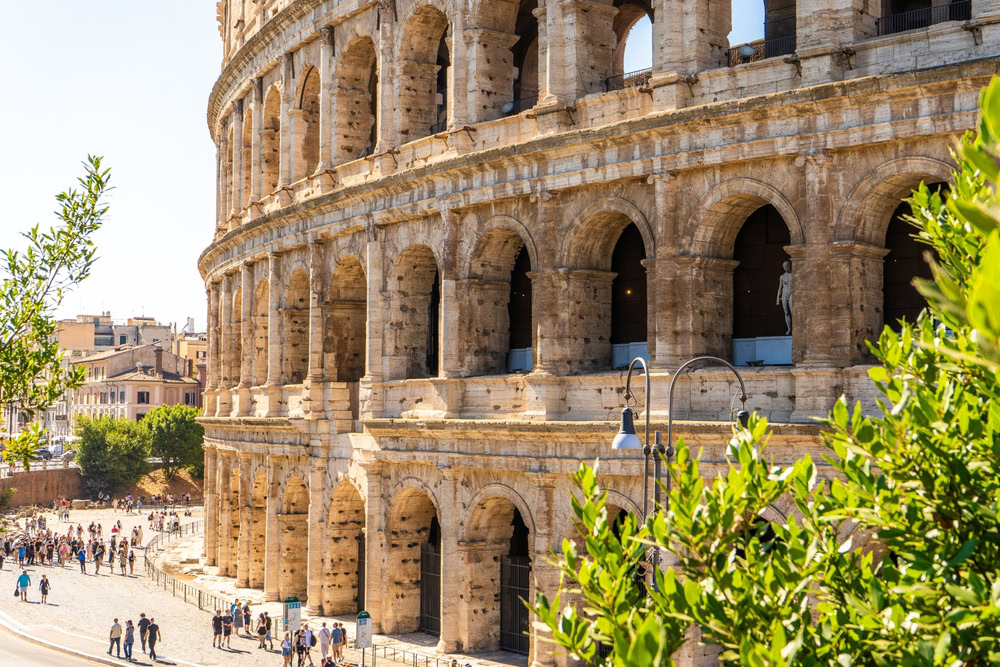
On a first trip to Rome, it is tempting to plan every hour. The Colosseum, the Vatican, the Pantheon, the Trevi Fountain, then dinner somewhere memorable. The trouble is that Rome is full of places that make you want to stop along the way. A better plan is to choose a few anchors and let the rest of the city surprise you.
Start with the Colosseum and Ancient Rome
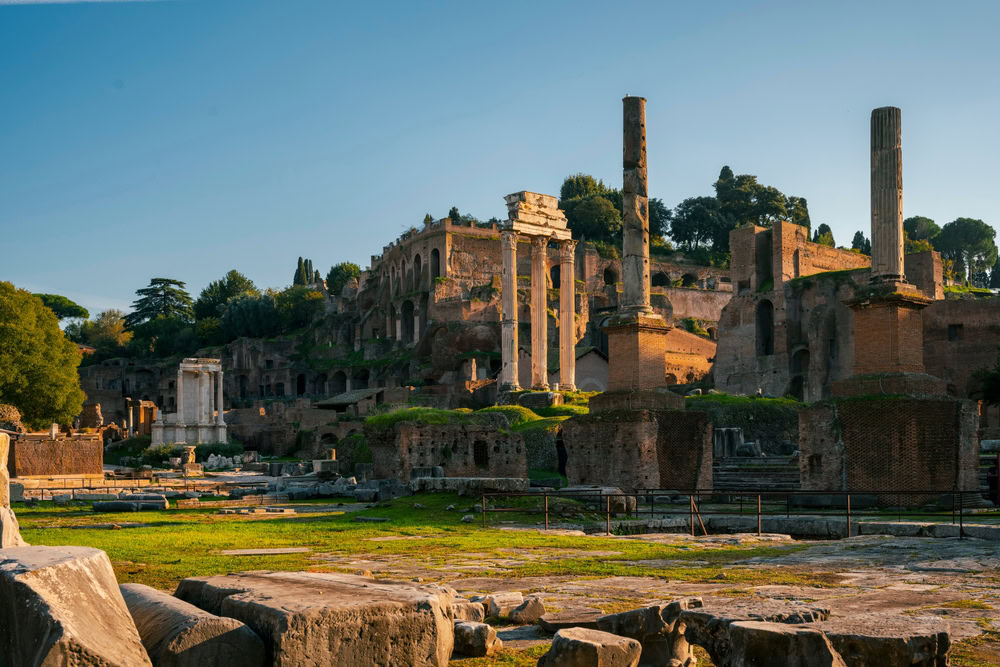
The Colosseum is worth more than a quick photo from the pavement. Give yourself time to go inside, then continue to the Roman Forum and Palatine Hill. They sit within the same archaeological park, and seeing them together gives the ancient city a bit more context than rushing between monuments.
Think about what you want from the visit before choosing how to see it. Some people are happy to wander through the main levels; others want a guide or access to areas such as the arena floor or underground. If you are weighing up the options, Colosseum Tours is a useful starting point. The best choice is the one that matches your curiosity and leaves you enough time to enjoy the place, not just tick it off.
The Roman Forum can look like a jumble of stone at first, especially if you arrive tired or try to see it too quickly. Slow down and look for the details that catch your eye. Palatine Hill adds another stretch of walking, so comfortable shoes and a little patience go a long way.
Enjoy the Historic Center at Your Own Pace
The Pantheon, Piazza Navona, and the Trevi Fountain are the names most people know, but the streets between them are part of the fun. Set out toward one landmark and leave yourself time to take a turn down a quieter lane, stop for coffee, or sit in a piazza for a while.
Distances can look deceptively short on a map. Crowds, crossings, and the temptation to pause every few minutes all add up. That is not wasted time. It is often the difference between feeling as if you have completed a checklist and feeling as if you have actually spent a day in Rome.
Take a Break in Monti
After the ancient sights, Monti is an easy place to slow the pace. It is close to the Colosseum, but the mood is different from the archaeological park. Find a spot for lunch, browse a few small shops, or simply take a break before deciding where to go next. You do not need a complicated plan here; a little free time is the point.
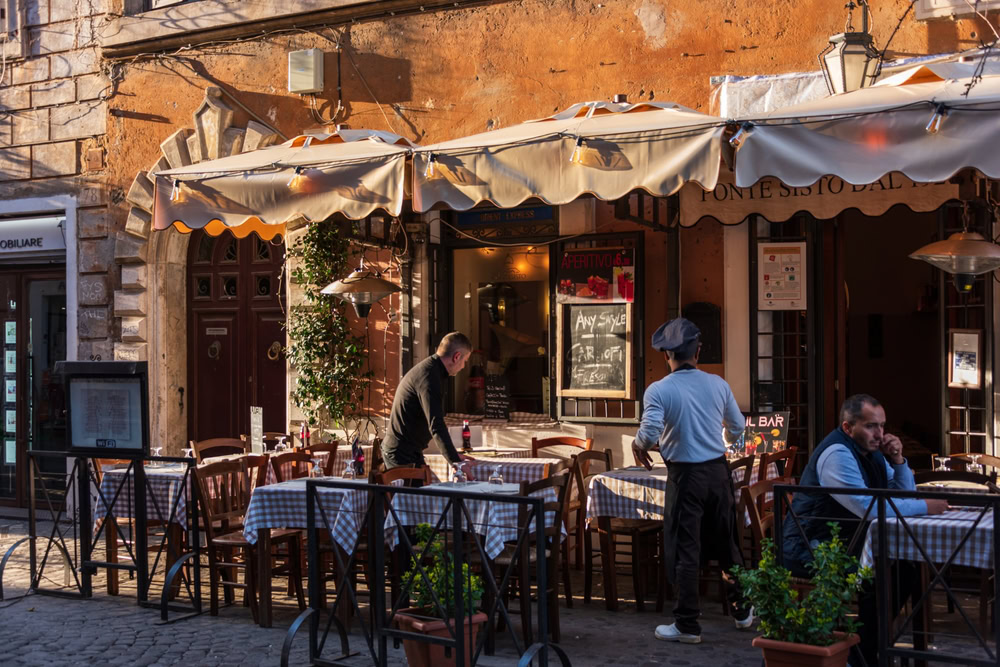
Trastevere makes a nice change of scene for an evening. Across the river, its narrow streets and busy tables give you a reason to put the map away for a while. Choose somewhere that looks inviting, order a Roman classic if you see one on the menu, and take a walk afterward. The city feels different once the sightseeing is done for the day.
Give the Vatican Its Own Time
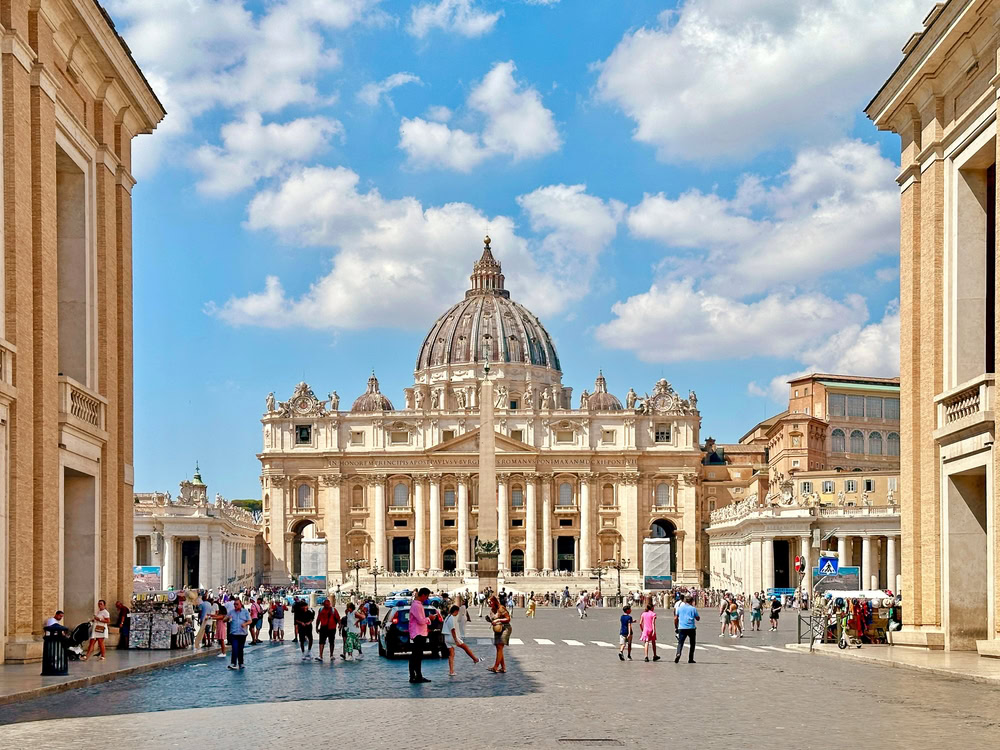
The Vatican is another big part of a first visit, but it deserves a separate block of time. The Museums and Sistine Chapel can make for a substantial visit, and St. Peter’s Basilica is nearby. Trying to fit everything in around the Colosseum can turn two memorable places into one long, tiring dash.
Check the practical details before you set out, including what you can bring and what to wear. A little preparation makes the visit easier, particularly if you are planning to spend time in the Museums.
Let Food and Downtime Be Part of the Plan
Rome is not just a series of entrances and opening times. Leave room for a plate of carbonara or cacio e pepe, a slice of pizza between stops, or a gelato when your feet need a rest. You do not need to book every meal or chase a famous address to eat well. Sometimes the best choice is simply the place that feels right when you are ready to sit down.
You will not see every corner of Rome in one visit, and you do not need to. Start with the Colosseum and the ancient sites around it, make time for the Vatican and the historic center, then leave a little space for whatever catches your eye. That balance is what makes the city feel less like a checklist and more like a place you have actually been.
