
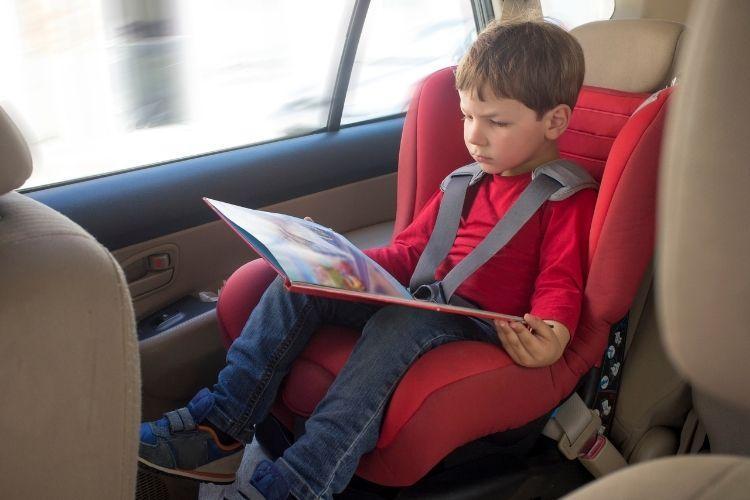
For many families, travel is more than a holiday escape — it’s a lifestyle choice that opens doors to deeper learning. As homeschooling continues to grow worldwide, more parents are realizing that education doesn’t have to be confined to four walls, rigid schedules, or standardized testing alone. Instead, learning can happen on winding roads, in bustling markets, at historical landmarks, and through everyday problem-solving.
Homeschooling, especially when combined with travel, offers a powerful way to nurture children’s curiosity, independence, and critical thinking skills. Here’s how families are redefining education beyond the classroom — and what homeschooling really entails when the world becomes your learning environment.
What Homeschooling Really Means Today
Homeschooling is often misunderstood as recreating traditional school at home. In reality, modern homeschooling is far more flexible. At its core, homeschooling means parents take an active role in guiding their children’s education, choosing curricula, resources, and learning approaches that fit their child’s needs, interests, and pace.
Some families follow structured programs with lesson plans and assessments, while others embrace relaxed or eclectic methods that blend reading, hands-on projects, discussions, and real-world experiences. For traveling families, this flexibility is a major advantage. Lessons can happen in the morning before sightseeing, on long train rides, or through immersive cultural experiences that no textbook could replicate.
Homeschooling also allows parents to adjust learning when life happens — travel delays, seasonal work, or simply a child’s curiosity pulling them in an unexpected direction.
Why Travel Is A Powerful Learning Tool
Travel naturally sparks curiosity. New languages, unfamiliar customs, different foods, and unique landscapes prompt kids to ask questions and make connections. When children stand inside ancient ruins, navigate foreign currencies, or observe wildlife in its natural habitat, learning becomes tangible and memorable.
Geography comes alive when you’re crossing borders. History feels relevant when you’re walking through it. Even math shows up organically through budgeting, time zones, and distance planning. These experiences encourage kids to think critically — comparing cultures, questioning assumptions, and understanding multiple perspectives.
For homeschoolers, travel transforms abstract concepts into lived experiences, helping children retain knowledge and apply it in meaningful ways.
Building Critical Thinking Through Real-World Experiences
One of the biggest benefits of homeschooling beyond the classroom is the opportunity to develop critical thinking skills. Instead of memorizing facts for tests, kids learn how to analyze situations, ask thoughtful questions, and solve problems independently.
Travel naturally supports this process. Children learn to adapt when plans change, communicate with people from different backgrounds, and make decisions in unfamiliar environments. These moments encourage flexibility, resilience, and confidence — skills that are essential far beyond childhood.
Parents can deepen these lessons by prompting reflection: discussing what surprised them, what they’d do differently next time, or how different cultures approach similar challenges. These conversations turn experiences into lasting learning moments.
Balancing Structure And Freedom While Homeschooling
While homeschooling offers flexibility, most families still benefit from some structure. This doesn’t mean rigid schedules, but rather a rhythm that ensures foundational skills like reading, writing, and math are consistently practiced.
Many traveling homeschoolers use a mix of digital resources, books, and hands-on activities to maintain continuity. Short, focused lessons can be paired with experiential learning throughout the day. For example, a history lesson in the morning might directly connect to a museum visit in the afternoon.
Having adaptable learning resources on hand helps parents stay consistent without feeling overwhelmed. Some families explore story-driven educational materials that introduce big ideas in age-appropriate ways, such as those found at https://tuttletwins.com/, which can complement broader homeschooling approaches without dominating the learning experience.
Socialization Beyond The Traditional Classroom
A common concern about homeschooling is socialization, but travel-based education often provides diverse social opportunities. Kids interact with people of all ages and backgrounds — fellow travelers, locals, tour guides, and other homeschooling families on the road.
These interactions help children develop communication skills, empathy, and cultural awareness. Instead of being limited to a single peer group, homeschoolers often learn to navigate a wide range of social situations confidently.
Many families also connect through online homeschooling communities, local meetups, or worldschooling groups, offering children meaningful friendships and shared experiences across borders.
Encouraging Lifelong Curiosity And Love Of Learning
When learning is driven by curiosity rather than obligation, children are more likely to develop a lifelong love of education. Homeschooling beyond the classroom allows kids to explore their interests deeply — whether that’s marine biology sparked by snorkeling, architecture inspired by historic cities, or storytelling influenced by diverse cultures.
Parents play a key role by following their child’s questions and providing resources, conversations, and opportunities to explore further. This approach teaches kids that learning isn’t something you “finish” at school — it’s an ongoing process that evolves with experience.
Is This Approach Right For Every Family?
Homeschooling through travel isn’t a one-size-fits-all solution. It requires planning, flexibility, and a willingness to adapt. Parents must balance education with logistics, work, and daily life on the move. However, for families who value freedom, curiosity, and experiential learning, it can be incredibly rewarding.
Even families who don’t travel full-time can adopt elements of this mindset — incorporating field trips, project-based learning, and real-world problem-solving into their homeschooling routine.
Learning Beyond The Classroom
Education doesn’t have to be limited by walls, bells, or traditional expectations. By combining homeschooling with travel and curiosity-driven exploration, families can raise thoughtful, adaptable children who see the world as their classroom.
In a rapidly changing world, the ability to think critically, learn independently, and engage with diverse perspectives may be the most valuable lessons of all — and they’re often found far beyond the classroom door.
