
A focused weekend starts with a culinary travel guide that maps restaurant clusters worth your time. The aim is simple. Stay close to great kitchens, move on foot, and let each stop set up the next. This approach turns a short break into a clear story rather than a scramble for tables.
Think in Districts, Not Checklists
Pick one or two compact neighbourhoods that can carry a day from coffee to nightcap. Begin with a roastery or bakery that feels local, then drift to a produce market or small gallery nearby. Lunch becomes a light plate within the same few blocks. By evening you are already in the right area for a headline reservation without spending half the day in transit.
Large resort precincts work well inside this plan. They act like micro districts with cafés, brasseries, counters, and lounges under one roof. If weather or timing gets tricky you still keep variety and momentum. The change in rooms across one property creates the sense of a broader crawl without the travel drag.
Plan One Anchor, Keep Space Around It
Book a single anchor per day and leave the rest open. Make day one a lunch anchor and day two a dinner anchor. Breakfast is best left to walk-ins, which gives you room to course correct. Late afternoon is a natural gap for a quick bite or a tea service that slows the clock without ruining dinner.
This light structure matters because it protects the chance encounter. You can follow a tip from a bartender, stop for a pastry that just came out of the oven, or detour into a small bar where the snacks are better than the menu suggests. One fixed point provides purpose while the loose edges invite discovery.
Handy checks that keep the day smooth
- Keep moves under 15 minutes on foot or by tram
- Hold a floating snack window between 4 and 6 pm
- Save dessert decisions until you see the room
Read the Room Before the Menu
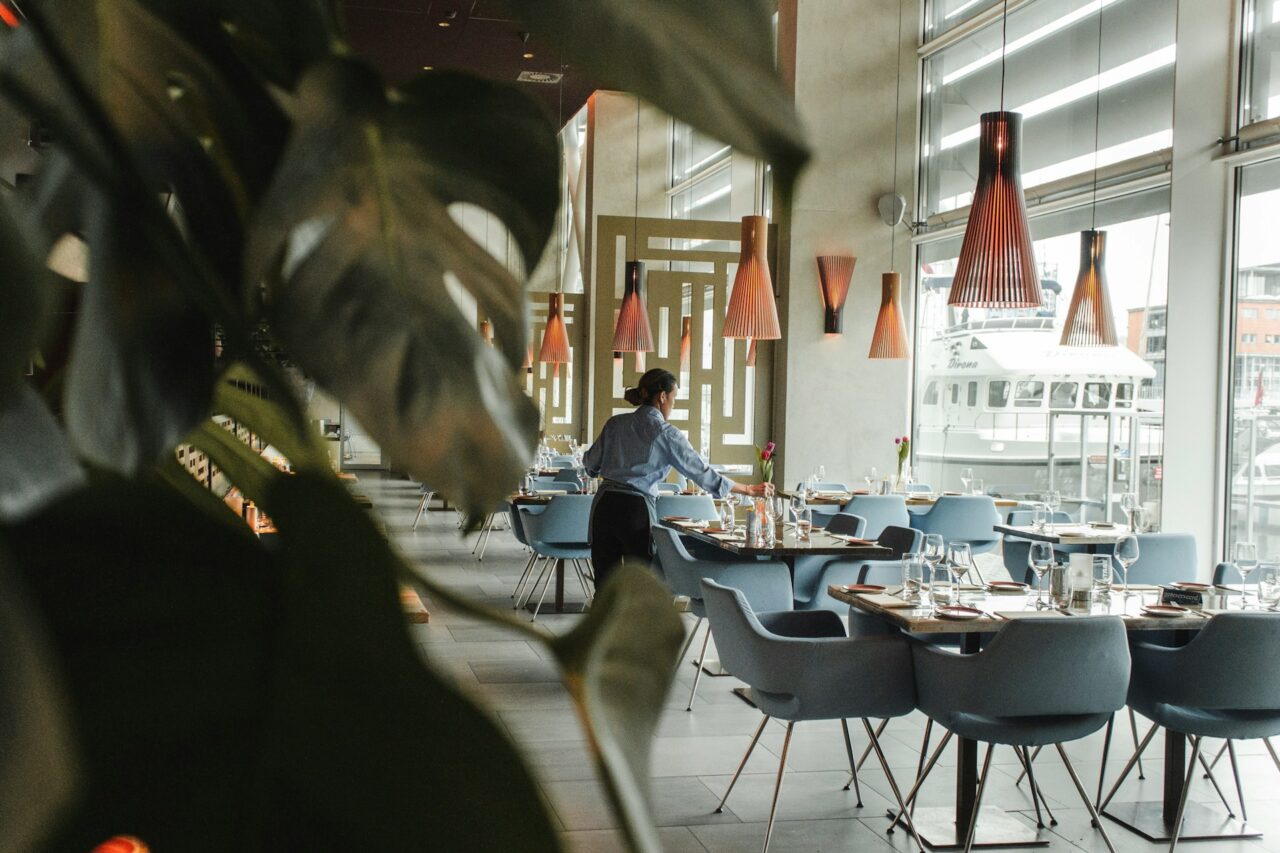
Atmosphere shapes memory. Look for warm pools of light, clear conversation, and seats that invite you to linger. Resorts and marquee restaurants tend to invest in these details, which is why they are reliable anchors when you care about how a meal feels as much as how it tastes.
When the menu lands, scan for place. Ingredients reveal a city’s voice, whether that is a local fish, a regional cheese, or a native herb. Ask for the smallest format that preserves the dish so you can share more broadly. You are collecting impressions, not stacking heavy courses.
Spend Where It Counts

Contrast keeps both budget and appetite in line. If the city has a landmark dining room, invest in that once, then balance the rest with markets, bakeries, and casual counters. Lunchtime at high demand spots is often kinder on price and mood. Dessert deserves its own order. Share mains and keep individual sweets so the finale still feels personal.
If you are staying near a resort dining hub, ask about meal credits or late checkout that fold into the rate. These small inclusions can turn convenience into value when rain, queues, or traffic could otherwise chew through your time.
A Two-Day Flow That Works
Day One starts with a bakery crawl and a neighbourhood walk, then a produce market that leads naturally to a glass of wine and a small plate. Your lunch anchor sits in the same area. After an hour in a park or gallery, you drop into a standing bar for oysters or a snack, then finish with a simple dessert nearby.
Day Two swings to a resort district. Morning espresso, a poolside bite, and a mid afternoon café put you on track for a chef’s counter or marquee dining room as the anchor. A quiet lounge closes the night without a long ride across town.
Keep the Map Flexible
Use a simple note for each day with three lines only. The must is your anchor. The hopeful is a nearby spot that fits the theme. The wild card is a pop up, street cart, or visiting chef you hear about on the day. Because your geography is tight, swapping in new ideas costs almost nothing. What you remember later is the sequence, not the logistics.
Why It Suits Short Trips
Modern weekends carry big expectations. Clustering experiences reduces friction and improves recall. You come home with a sense of how a city eats rather than a list of where you managed to book. Start with a solid guide, hold one anchor, read rooms with care, and spend with intention. The result is a weekend that moves smoothly, tastes like the place, and leaves space for the best kind of surprise.
