
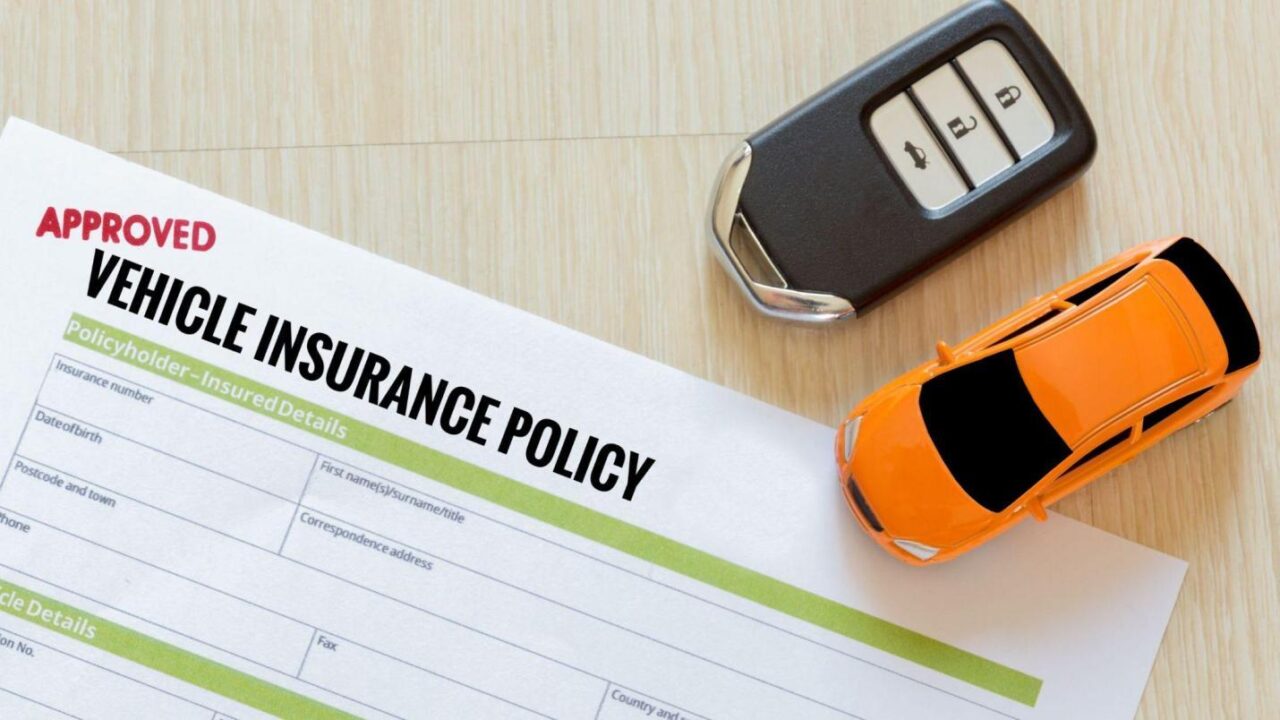
Car insurance sounds straightforward until the day you actually need it. In India, many claim that disappointments stem from not understanding a few policy terms that determine how much you pay, what the insurer approves, and what gets rejected. If you learn the language of insurance before you buy, you are far more likely to choose the right car insurance coverage and handle claims calmly.
This article breaks down the terms that matter most, in plain English, without legal-sounding complexity.
How a Car Insurance Policy Works
A car insurance policy is a written agreement between you and the insurer. You pay a premium, and the insurer agrees to pay for covered losses, but only when the incident fits the defined cover, conditions, and process.
Policy Schedule, Proposal, and Wording
Most people read the premium and skip the rest. Try not to. Your policy pack usually includes:
- The policy schedule, which lists your car details, period of cover, IDV, add-ons, and premium breakup
- The proposal form, which records what you declared about the car and its usage
- The policy wording, which contains the real rules: policy inclusions, policy exclusions, definitions, and claim steps
Own Damage, Liability, and Personal Accident
Your cover is usually grouped into broad parts:
- Own damage cover pays for loss or damage to your car caused by events listed in the policy, subject to the terms and conditions.
- Liability cover protects you if you become legally responsible for injury to another person or damage to their property.
- Personal accident cover provides a defined benefit to the owner-driver in the event of serious injury, subject to conditions and documentation.
Insured Declared Value and Why It Matters
Insured Declared Value (IDV) is the declared value of your car for insurance purposes.
- It affects your premium and the maximum total payout in the event of a total loss.
- Setting IDV too low can reduce settlement when you need it.
- A realistic IDV avoids overpaying for premiums while maintaining sensible protection.
Third-Party Car Insurance and Where It Fits
Third party car insurance is the legally required minimum cover for driving on Indian roads. It exists to protect other people from losses caused by your car. It is not designed to pay for damage to your own vehicle.
What It Usually Covers
Third-party cover typically responds when you are legally liable for:
- Injury or death of a third party
- Damage to third-party property, as per policy terms and limits
What It Does Not Cover
Third-party-only cover generally does not pay for:
- Repairs to your own car after an accident
- Theft of your car
- Damage from events like fire or flooding to your own vehicle
- Add-ons that enhance your own damage protection
When It May Be Enough
Some owners choose third-party-only cover for older cars or for very limited use.
- Older car with low resale
- Very limited city-only driving
- You can self-fund repairs
Terms That Decide Claim Approval and Payout
This is the part most people wish they had read before a claim.
Depreciation and Betterment
Insurance usually accounts for wear and tear. That means certain parts may be paid after depreciation, and sometimes betterment may apply when old parts are replaced with new ones. The result is simple: you may pay a portion of the bill even when the claim is valid.
Deductible and Voluntary Deductible
A deductible is the amount you pay from your pocket for each claim. There is often a compulsory portion, and some policies let you pick a voluntary deductible to lower the premium.
Cashless Garage and Reimbursement
A cashless facility means the insurer settles the approved amount directly with a network garage. It does not mean the entire bill disappears. You may still pay deductibles, depreciation, and any items not covered by the policy, as well as any items outside the policy scope.
Exclusions and Common Claim Rejection Triggers
Exclusions are situations in which your policy will not pay, even if there is damage. Common avoidable triggers include no valid licence, drunk driving, misuse, late intimation, or missing documents.
Conclusion
Car insurance is not just a price comparison exercise. The real value lies in understanding the terms that govern claims: IDV, deductibles, depreciation, cashless rules, exclusions, and add-ons that protect you from the biggest out-of-pocket shocks. When you understand these, you buy smarter, renew with confidence, and handle claims with far less stress.
