

Adventure trips allow travelers to explore breathtaking landscapes, immerse themselves in new cultures, and experience the thrill of outdoor activities. Whether it’s a trek through the mountains or a kayaking journey down a scenic river, proper preparation is key to making the most of your adventure. This guide outlines important tips to ensure your trip is enjoyable and memorable, catering to various types of adventurous explorations.
Defining Your Adventure Goals
Setting clear goals for your adventure trip is important. Consider what you want from the experience—are you seeking adrenaline-pumping activities, serene nature walks, a chance to connect with others, or perhaps a mix of all? Assessing what excites you will help narrow down your options. Knowing your interests aids in planning the itinerary effectively. If hiking is your passion, focus on destinations known for stunning trails and picturesque views.
Another important aspect is time commitment. Do you have a weekend to spare, or can you afford to take a longer vacation? Longer trips may allow you to explore multiple destinations, while shorter trips can still provide enriching experiences. Write down your objectives, as this will serve as the backbone of your planning. Having clearly defined goals enhances your ability to prepare adequately, ensuring that you are ready for whatever the adventure might throw your way.
Choosing the Right Destination
Selecting an appropriate destination is the next step in the journey. Consider factors like climate, terrain, accessibility, and the type of activities available. Mountains might be your preference, with options like the Rocky Mountains in the USA or the Alps in Europe showcasing spectacular scenery. If you’re drawn to bodies of water, coastal destinations, or lakes with water sports may be ideal. Research potential locations extensively. Seek insights from travel blogs, forums, and social media groups dedicated to adventure travel.
These platforms can offer genuine backpacker experiences, recommending hidden gems that large tourist guides might overlook. If your ideal trip requires a tour guide or an organized adventure, explore companies that specialize in these experiences, such as Life Happens Outdoors, which provides tailored trips. Finding a provider with experience in your desired activities will enhance safety and enjoyment.
Preparing Your Gear
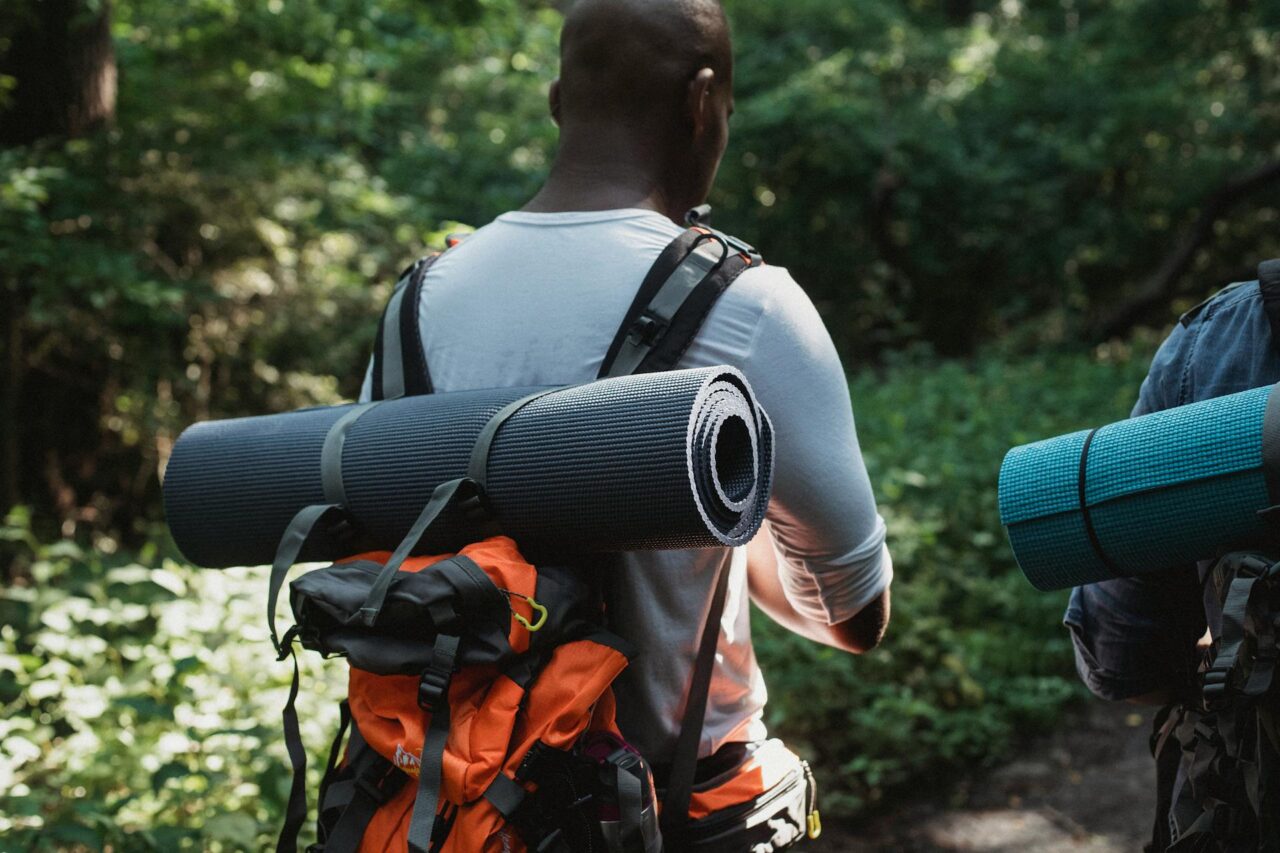
Your choice of gear can make or break your experience. Investing in quality equipment is important for safety, comfort, and performance. Start by creating a packing list based on the activities you plan to engage in. If your adventure includes hiking, ensure you have sturdy boots, proper clothing, and essentials like a first-aid kit, navigation tools, and enough food and water. Especially for adventure trips, lightweight and multifunctional gear is recommended.
This includes items like a compact sleeping bag for camping, a refillable water bottle, and versatile clothing that can serve multiple purposes. Remember, weather conditions can change rapidly in outdoor environments, so prepare for various scenarios. Testing your gear beforehand is advisable.
Physical Preparation and Training
Physical fitness plays a significant role in the enjoyment of adventure trips. Assess your current fitness level and how it aligns with the demands of your chosen activity. If you plan on trekking or climbing, consider a training regimen focusing on endurance and strength. Start a few months in advance, incorporating activities such as running, hiking, or cycling to build stamina. Don’t forget about flexibility and core strength exercises.
Engaging in yoga or pilates can help improve adaptability to the physical stresses of outdoor activities while enhancing well-being. If your adventure includes high-altitude components, researching acclimatization strategies and gradually increasing your exposure can be beneficial.
Understanding Safety and Risk Management
Safety should always be a top priority when venturing into the outdoors. Familiarize yourself with the risks associated with your chosen activities and destination. This includes potential environmental hazards such as cliffs, wildlife encounters, or extreme weather conditions. Always inform someone of your itinerary, especially for remote destinations. This ensures that someone is aware of your movements and can raise the alarm if necessary.
Training in first aid and emergency response techniques is valuable, especially for remote adventures. Carrying a comprehensive first-aid kit is important, along with navigation tools if you’ll be traveling off the beaten path. Being prepared for emergencies enhances your confidence and allows for greater enjoyment in your adventure.
Engaging with Local Culture and Environment
Part of the adventure when traveling is engaging with local cultures and environments. Take the time to learn about the destinations you visit. Understanding local customs, languages, and practices enhances your travel experience. Participating in cultural activities makes your journey richer. Seek opportunities for interactions with local communities, such as attending festivals or dining in local eateries.
Mutual respect between travelers and locals fosters an enjoyable experience for everyone. Engaging with the environment means being mindful of sustainability and leaving a positive impact. Pack out what you bring in, practice low-impact travel, and educate yourself on preserving natural habitats. Programs for eco-friendly practices have grown in popularity, reflecting the important balance of exploration and conservation.
Adventuring into the outdoors requires thorough planning and consideration, and each step of preparation ensures a more fulfilling experience. Embrace the challenges, stay informed, and relish the beauty that the wild offers. Always remember, adventure is about the journey and about nurturing your spirit and passion for exploration.
