

Spain is a food lover’s paradise, with each region offering its own unique culinary traditions and mouthwatering dishes. This post will take you on a gastronomic journey through two of Spain’s most renowned culinary regions: the Basque Country and Andalusia. We’ll discover what makes these regions’ cuisines distinct, from pivotal historical influences like the Moorish conquest of Spain to the local terroir and ingredients that shape their flavors. From pintxos bars hopping in San Sebastián to sizzling tapas in Seville, you’ll get a taste of the incredible breadth of Spanish cuisine. Whether it’s smoky, peppery Basque tapas or southern Spain’s bright, fresh seafood, this post will highlight must-try bites and dishes to seek out on a Spain food tour. So come along for a food tour exploring the incredible regional diversity that makes eating in Spain an unforgettable experience.
Basque Country Cuisine
Tucked between the Pyrenees mountains and the Bay of Biscay in northern Spain lies the Basque Country, home to one of Spain’s most remarkable regional cuisines. Basque cooking, known as “Cocina Vasca” in Spanish, has been shaped by the terroir of this unique landscape. The sea provides bountiful fish and seafood like anchovies, squid, and bacalao (salt cod), while the lush inland pastures yield excellent beef, lamb, and prime vegetables. Basque chefs transform these amazing raw ingredients into culinary magic. On our food tour, we’ll sample classic pintxos (tapas on bread slices) heaped with morcilla blood sausage, smoked salmon, or piquillo peppers at bars in Bilbao. No visit is complete without bacalao al pil pil, a signature salt cod dish with olive oil, garlic, and chili peppers emulsified into a rich sauce. Carnivores will relish a wood-grilled Txuleta steak showered with flaky sea salt. Marmitako tuna stew, rich with tomatoes and potatoes, captures the essence of Basque seafood cookery. To see how local ingredients make their way to the table, we’ll tour seaside fish markets buzzing with the morning’s catch and visit farms that supply prime Basque beef. A highlight will be taking a cooking class to master signature dishes like tortilla de patatas (Spanish potato omelette), learning techniques passed down through generations of Basque home cooks. With its singular geography and cuisine forged over centuries, the Basque Country offers an unforgettable feast for the eyes, mind, and taste buds.
Andalusian Cuisine
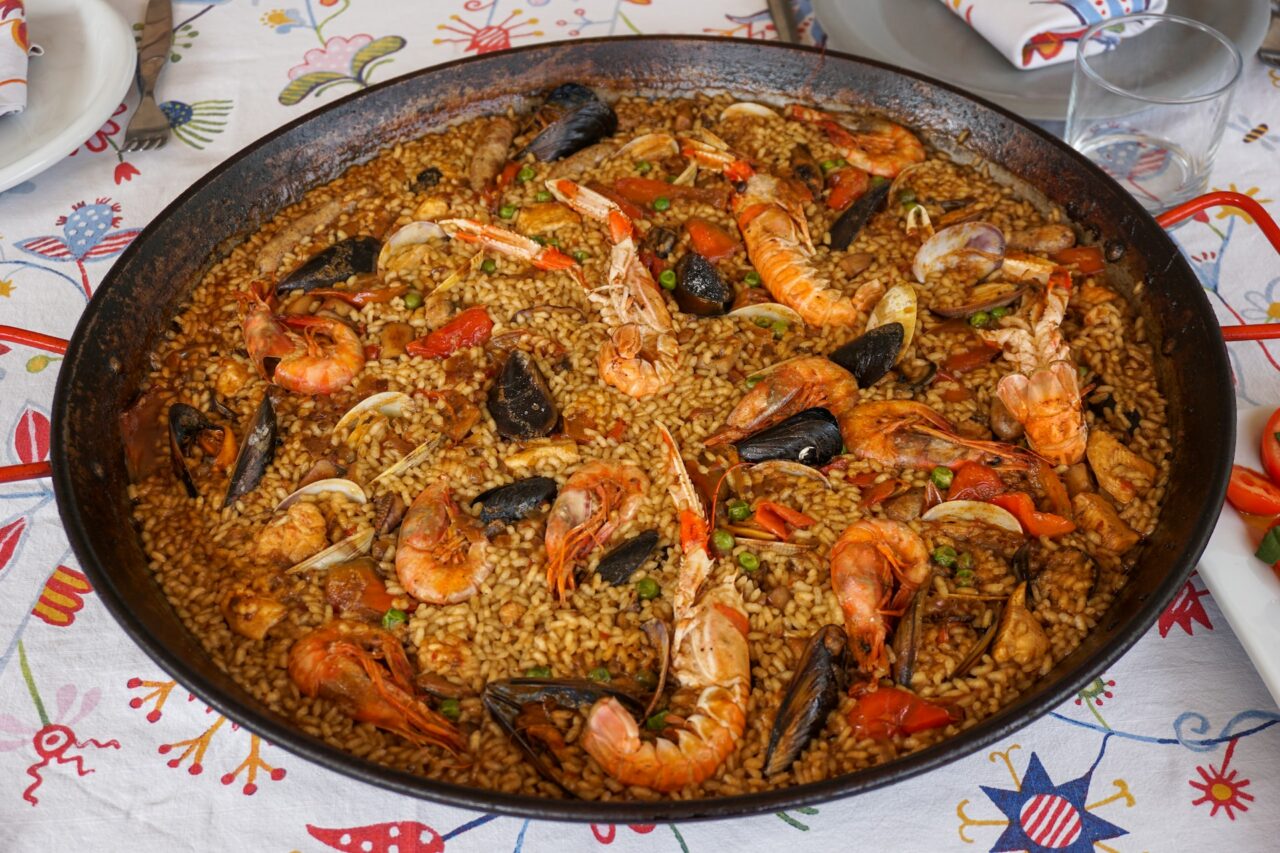
Venturing south to the iconic region of Andalusia, we discover a cuisine equally enthralling as the Basque Country. Andalusian cuisine reveals influences of Spain’s diverse history, especially the Moorish conquest that reigned in southern Spain for centuries. This is evident in staples like olive oil, spices, and eggplants that shape Andalusian food today. We’ll cool off from the hot sun by sipping chilled gazpacho, a vegetable and tomato soup, and Salmorejo, a thick puréed tomato sauce. Fried fish dipped in Tangier-style sauces showcases the region’s seafood bounty. Be sure to try croquetas de jamón, creamy ham croquettes, the ultimate Spanish snack. No Andalusian meal is complete without paella, the iconic rice and seafood dish. To appreciate integral ingredients, we’ll tour bodegas producing the dry sherries synonymous with the region and visit olive groves blanketing its hills. We’ll learn to craft perfect paella and other Andalusian specialties in a hands-on cooking class. Key tips include using bomba rice cooked just al dente, infusing the rice with saffron’s vibrant flavor, and arranging seafood and shellfish over the top. With food traditions shaped by ancient civilizations, Andalusia tempts the palate and imagination at every meal. Beyond iconic dishes, Andalusia’s local markets offer a true immersion into the region’s incredible bounty of seafood, produce, olives, cheeses, and other specialty foods. Exploring these markets provides perspective into the lives of locals while discovering new ingredients and products unique to each town. Don’t miss the opportunity to try artisanal foods made on small local farms using time-honored techniques passed through generations. Whether it’s touring a family olive oil press or tasting handcrafted goat cheeses, these experiences showcase Andalusia’s culinary riches.
Comparing Basque and Andalusian Cuisines
The cuisines of the Basque Country and Andalusia in Spain share some similarities yet have distinct differences. Both utilize olive oil, garlic, and seafood abundantly. However, Basque cuisine relies more heavily on ingredients like potatoes, beans, lamb, and beef. Signature Basque stews like marmitako combine potatoes, tuna, peppers, and onions. Andalusia kitchen has more Arabic influences, evident in dishes like gazpacho cold tomato soup and fried fish. The cooler climate of the Basque region lends itself to heartier stews, while Andalusia’s hotter weather inspires chilled soups and salads. Geography also plays a role, with Basques utilizing produce from their verdant hills and Andalusians drawing from the seafood of the Mediterranean coast. Despite overlaps, history, and geography distinguish these two amazing Spanish cuisines.
Conclusion
These food tours offered a delicious overview of iconic Spanish cuisines. From the fried tapas of Seville to the seafood paella of Valencia, one is able to taste the incredible local dishes. Beyond the food itself, these meals provide a window into Spain’s diverse cultures and peoples. While guidebooks are helpful, experiential food travel like these tours provides the best understanding of a place. Returning home eager to stock the pantry with Spanish olive oil, vinegar, and saffron. Armed with new recipes and techniques, the flavors of Spain can be recreated for friends and family. The memories of experiential food tours will certainly last a lifetime.
