

In a world where travel has moved beyond tourist traps and busy cities, nature’s breathtaking beauty has become the ultimate theme park for adventurous souls looking for awe-inspiring escapes. These natural theme parks offer a unique mix of ecological wonders and heart-pounding activities.
They are a gateway to a world of adventure and discovery. From lush rainforests to mesmerizing geothermal landscapes and underwater paradises, these seven places will take you to some of the most fascinating places on Earth!
7 Natural Theme Parks: Take Your Travel To The Next Level
The world’s natural theme parks offer the brave traveler who wants to take their wanderlust to a new level a chance to go on an adventure like no other. From the rough landscapes of Iceland to the wide variety of life in Costa Rica, these seven places give you a deep look into the wonders of nature.
Beyond the usual tourist spots, these natural theme parks offer a kaleidoscope of experiences that will stir the soul and leave memories that will last a lifetime. Get ready to take your adventures to the next level as we deep dive into these fantastic places!
Arizona’s Grand Canyon: A Geological Masterpiece
The Grand Canyon is one of the most famous natural sights in the world. It shows how big and robust geological forces can be. The Colorado River made this impressive chasm over millions of years. It is about 277 miles long, up to 18 miles wide, and goes down more than a mile.
This geological masterpiece is in the US state of Arizona, and people from around the world come to see it. Its size and beauty leave people feeling small and amazed. The exposed rock formations, which range in color from bright red to deep purple to earthy brown, show how the Earth has changed over time.
Each layer tells a different story about how ancient seas, deserts, and tectonic movements changed the land into what it is today. Also, because the canyon is so big, people can see the powerful forces of nature at work as the Colorado River continues to shape and reshape it.
It’s essential to plan and consider the park’s size. The South Rim is the easiest to get to and has the most visitors, but the North Rim is quieter and further away. Staying hydrated and bringing enough water is essential when hiking the trails, especially in the summer when temperatures get very high.
Making the most out of it
The Grand Canyon has a lot to offer people interested in geology and wanting to try new things. Helicopter tours give visitors a bird’s-eye view of the vast area, giving them a unique look at the geological features of the canyon from above.
This is also one of the best rockhounding places you can find. There is an incredibly rich variety of different rocks, minerals, and fossils that can be found in the area and the climate makes it much easier to find them than in other places. If you’re looking to expand your collection this is a great place to start.
You can also get into the heart of the canyon by hiking along its many trails and seeing beautiful views at every turn. Popular trails like the Bright Angel Trail and the South Kaibab Trail let you go below the rim and see the canyon’s depth up close.
Whitewater rafting on the Colorado River is an exciting adventure for people who aren’t afraid to go through rapids and find hidden geological gems along the riverbanks.
Australia’s Great Barrier Reef: An Underwater Wonderland
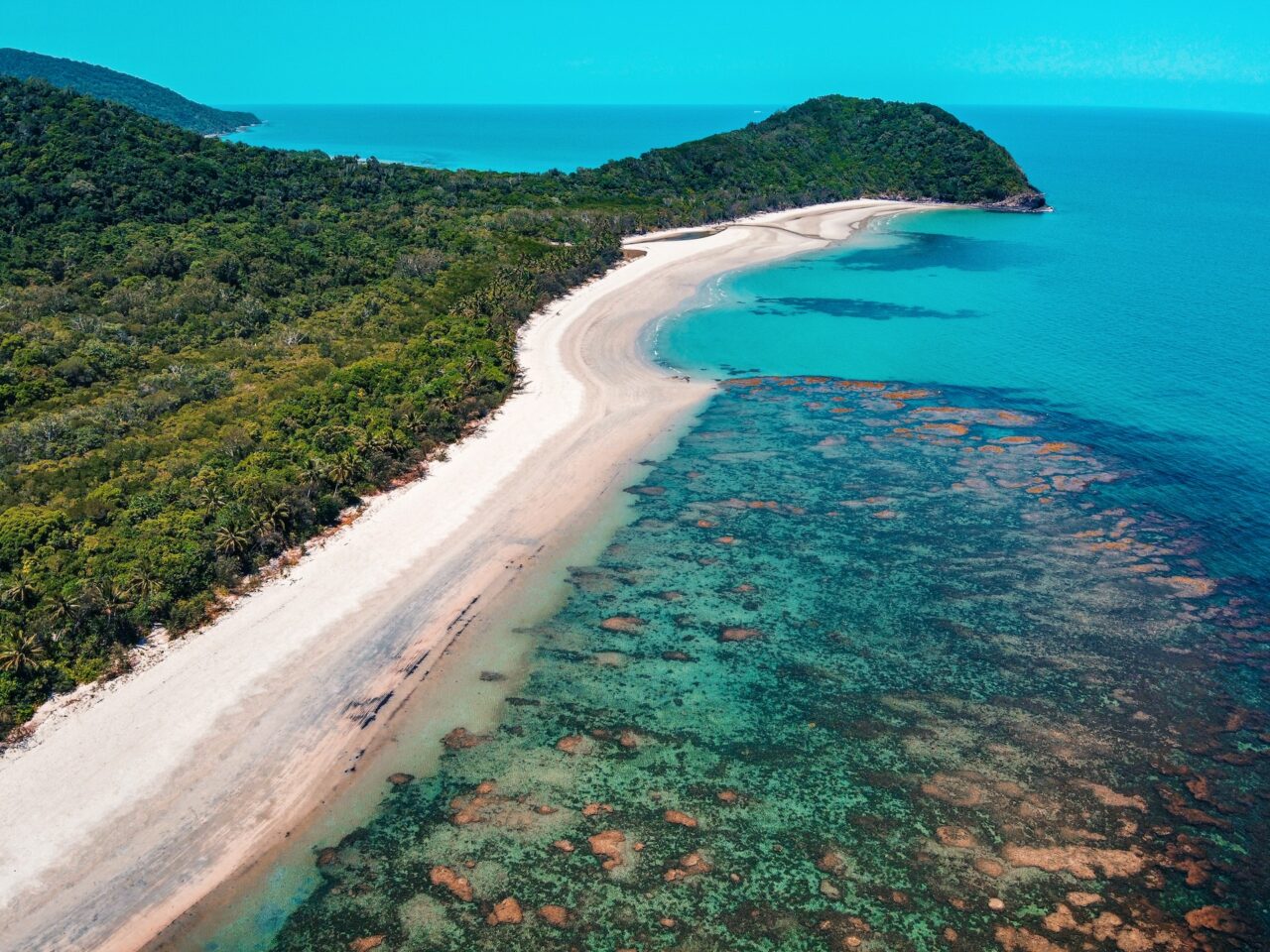
The Great Barrier Reef in Australia is a living example of how amazing marine life is and how beautiful the underwater world is. The Great Barrier Reef is the most extensive coral reef system on Earth. It is located off the northeastern coast of Australia and is a UNESCO World Heritage site.
The reef comprises thousands of separate reefs and islands and is home to various marine life, such as colorful coral formations, tropical fish, rays, sharks, and turtles. Snorkelers, scuba divers, and nature lovers from around the world come to this underwater paradise to explore its clear waters and learn the secrets of the deep.
When visiting the Great Barrier Reef, it’s important to take responsible and environmentally friendly actions. By treating the Great Barrier Reef with respect and admiration, you can enjoy the beauty of this geological masterpiece and help keep it around for future generations.
Making the most out of it
Australia’s Great Barrier Reef has a lot of exciting and adventurous things to do that let visitors get close to this beautiful marine world. The reef offers snorkelers and scuba divers an unbeatable chance to explore the underwater kaleidoscope of coral formations and marine life.
For those seeking an adrenaline rush, the Great Barrier Reef offers heart-pounding experiences like swimming with sharks and rays. Encounters with friendly reef sharks and majestic manta rays offer a unique opportunity to get up close and personal with these magnificent creatures in their natural habitat.
Costa Rica’s Monteverde Cloud Forest: An Aerial Fantasy
Nestled high in the mountains of Costa Rica, the Monteverde Cloud Forest is a magical and biodiverse wonderland that has captivated travelers from around the globe. The name “cloud forest” evokes an air of mystery, as the area is perpetually shrouded in mist and clouds, creating a surreal and enchanting atmosphere.
The lush green canopy is teeming with a vast array of plant and animal species, making it a hotspot for ecotourism and nature enthusiasts seeking an unforgettable experience amidst the wonders of the natural world.
The diversity of life in Monteverde Cloud Forest makes it truly outstanding. It’s home to more than 2,500 types of plants, including a wide range of orchids and ferns, some of which are only found in this area.
The dense plants in the forest provide a home for a wide range of animals, from colorful birds like the brilliant quetzal to playful howler monkeys and elusive jaguars. Walking through the cloud forest feels like you’re in a living museum of nature, where every turn reveals something new and unique.
Making the most out of it
For those with a daring spirit, zip-lining is a thrilling way to see the forest canopy from above, soaring above the misty treetops and lush green landscape.
Adventurers can also do an adrenaline-pumping canopy walk across suspension bridges, which is even more exciting because of how high it is and how it sways.
Iceland’s Ring Road: Land of Fire and Ice
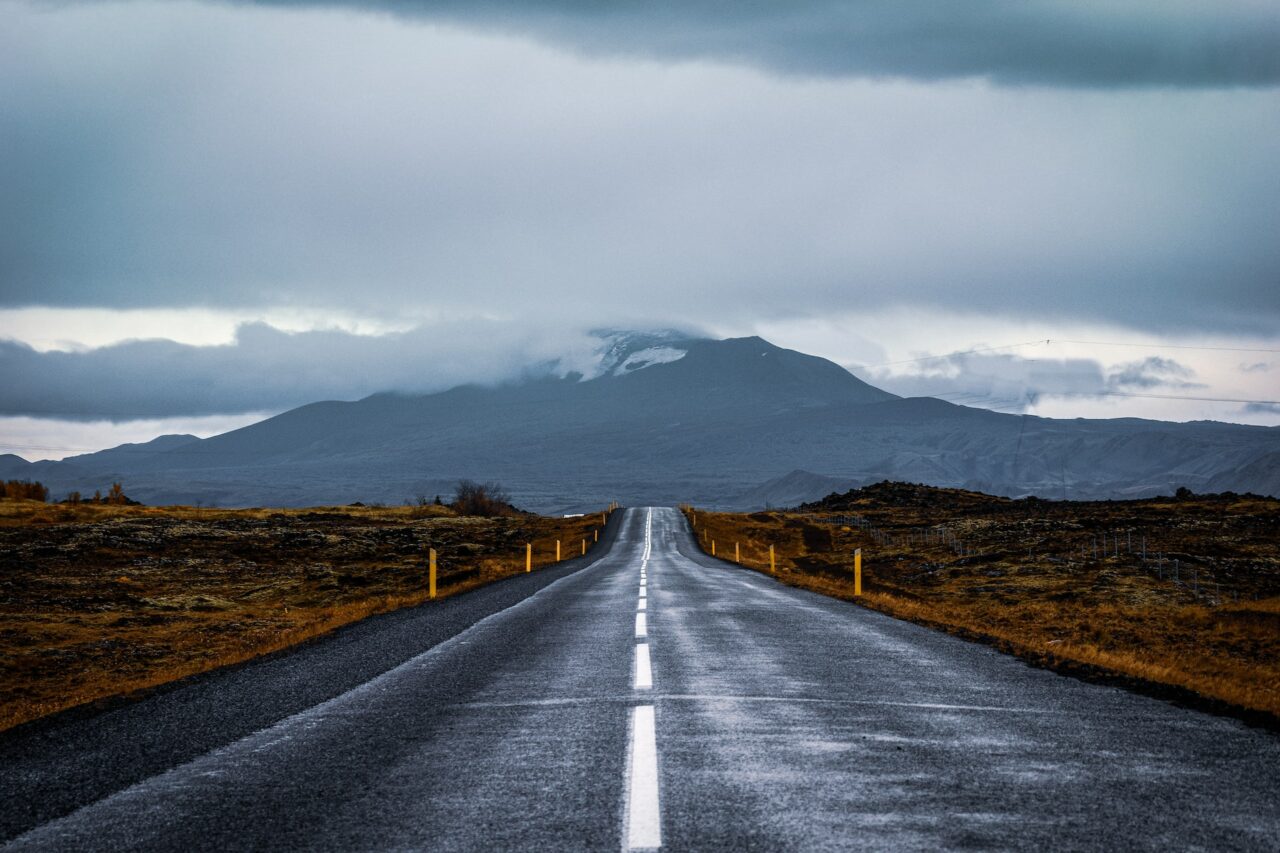
Iceland’s Ring Road, also known as Route 1, is a spectacular highway that circumnavigates the entire country, offering a road trip like no other. Spanning approximately 1,332 kilometers, this iconic route takes travelers on an unforgettable journey through Iceland’s diverse landscapes, showcasing an array of geological wonders and breathtaking scenery.
As one of the world’s most scenic drives, the Ring Road promises an adventure of a lifetime, with ever-changing vistas ranging from majestic waterfalls and glacial lagoons to volcanic plains and rugged coastlines.
This loop goes through a wonderland where people can see the raw power of nature for themselves. Geological features like glaciers, volcanoes, geysers, and lava fields dot the landscape. The Ring Road also lets you get to well-known places like the Golden Circle.
Iceland’s climate can be hard to predict, so it’s essential to be ready for all kinds of weather. Warm clothes, gear that won’t get wet, and sturdy hiking shoes will make you comfortable and safe.
Having a well-thought-out plan with set stops gives you enough time to explore each place fully. Embracing the spirit of adventure by getting off the main road to look for hidden gems and lesser-known attractions adds a sense of discovery to the trip.
Making the most out of it
Along the route, travelers can indulge in thrilling glacier hikes, where expert guides lead daring treks across icy crevasses and snow-capped peaks. For water enthusiasts, the glacial rivers and picturesque waterfalls offer the perfect setting for exhilarating whitewater rafting experiences, providing an adrenaline rush amidst the stunning Icelandic scenery.
The Ring Road also offers off-road adventures, with 4×4 excursions venturing into the highlands and rugged terrains, unveiling hidden geothermal wonders and volcanic landscapes inaccessible by traditional vehicles.
Whether exploring lava caves, horseback riding through the wild Icelandic countryside, or venturing on ice cave explorations, Iceland’s Ring Road is a playground for adventurers seeking an unforgettable and heart-pounding experience at every turn.
Japan’s Mount Fuji: A Spectacular Formation
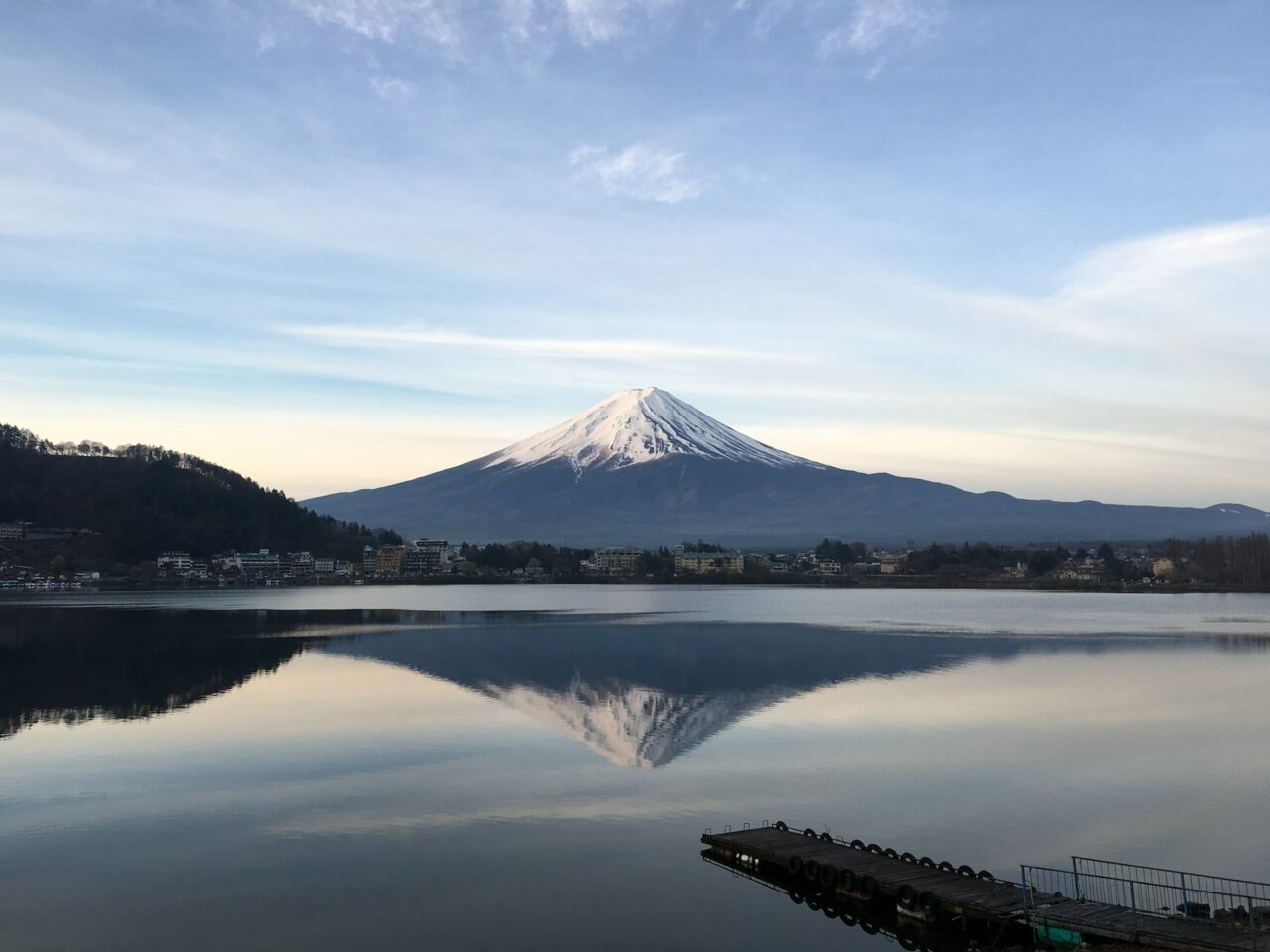
Mount Fuji, an iconic symbol of the Land of the Rising Sun, is a beautiful stratovolcano in Japan that stands 3,776 meters above sea level. Mount Fuji is one of Japan’s most prized natural wonders and a UNESCO World Heritage site. It is also revered for its spiritual meaning and stunning beauty.
As an active volcano, it offers a glimpse into the powerful geological forces that shape the Earth’s crust. Its volcanic origins are evident in the surrounding landscapes, where lava flows, volcanic rocks, and volcanic lakes bear witness to the mountain’s tumultuous past.
Beyond its geological wonders, Mount Fuji holds a special place in Japanese culture and spirituality. It is a sacred mountain, worshipped by locals, and serves as a pilgrimage site for those seeking spiritual enlightenment.
The mountain’s summit is a place of contemplation and self-discovery, with panoramic views that offer a sense of serenity and perspective to those who make the challenging ascent.
Making the most out of it
The most popular and iconic adventure is undoubtedly climbing to the summit. Scaling the majestic volcano presents a challenging yet rewarding experience, where hikers can witness breathtaking views of the surrounding landscapes and catch a glimpse of the ethereal sunrise from the “Goraikou” viewpoint.
The mountain transforms into a snowy wonderland during winter, attracting skiers and snowboarders to its slopes. Snowshoeing and snow hiking are also popular activities, allowing you to explore the mountain’s snow-covered landscapes more slowly.
For a more leisurely adventure, travelers can take a boat tour on the serene Lake Kawaguchi, one of the picturesque lakes near Mount Fuji, and soak in the stunning views of the mountain’s reflection on the water.
Namibia’s Namib Desert: A Hauntingly Beautiful Landscape
Namibia’s Namib Desert is a mesmerizing expanse of sand and dunes stretching over 2,000 kilometers along the Atlantic coastline, making it one of the planet’s oldest and most captivating deserts. “Namib” translates to “vast place” in the Nama language, aptly describing this seemingly endless landscape of shifting sands and rugged beauty.
The Namib Desert’s incredible allure lies in its beauty and geological wonders
. Towering dunes, some of which rise to over 300 meters high, paint a striking contrast of colors as they change hue with the shifting light from sunrise to sunset. The iconic Dune 45 is a popular attraction for those seeking the ultimate desert sunrise experience.
It also boasts some of the darkest skies on Earth, making it a haven for stargazers and astronomy enthusiasts. Far away from the light pollution of urban centers, this vast desert offers an unobstructed view of the night sky, providing an unparalleled opportunity to witness the celestial wonders above.
Making the most out of it
One of the most popular and exhilarating experiences is exploring the iconic dunes, allowing you to sandboard down the towering slopes or hike up to witness the breathtaking sunrise over the dunescape.
For those seeking a unique perspective, hot air balloon rides present an unforgettable way to soar above the desert, providing panoramic views of the vast expanse and its surreal formations.
Adventurers can also embark on off-road desert safaris, delving into the heart of the desert’s remote and untouched regions, discovering hidden oases, and encountering wildlife like oryx and springboks.
At night, the Milky Way stretches across the horizon like a luminous ribbon while constellations come to life in full splendor. The clear, crisp air of the Namib Desert and the absence of artificial light create an immersive stargazing experience that allows you to connect with the vastness of the universe and appreciate the beauty of our cosmos.
New Zealand’s Waitomo Glowworm Caves: An Underground Marvel
The Waitomo Glowworm Caves are a surreal underground wonder that beckons visitors into an enchanted world. This magical limestone cave system is renowned for its unique population of glow worms that emit a mesmerizing luminescent glow, transforming the cave’s ceilings into a breathtaking starry night.
The slow and steady work of water and limestone erosion can be seen in the cave system. The intricate stalactites and stalagmites that decorate the cave walls are proof of this. The stalactites, growing for thousands of years as mineral-rich water drips from the cave’s ceilings, show how geological processes have shaped the cave’s beautiful features.
Booking tours with licensed companies that put conservation and being a good tourist first is important. Since these caves are fragile ecosystems, following the rules and guidelines set by the guides helps protect the fragile environment and ensures that future visitors will have a good time.
Making the most out of it
Their boat tours take you through the underground river systems, where you can see blue lights that twinkle and look like stars in the night sky. As the boat quietly moves through the lit caves, the experience is magical and peaceful, giving a sense of wonder and enchantment.
The Waitomo Caves also have exciting black water rafting for those who like to try new things. With wetsuits and inner tubes, you can float along the underground river through narrow passages and under old limestone formations.
Appreciating the beauty and significance of these seven natural theme park destinations is an invitation to immerse ourselves in the wonders of the natural world and acknowledge its profound impact on our lives.
Conservation efforts, sustainable tourism practices, and responsible policies are essential in safeguarding these natural theme parks. Our collective responsibility is to reduce our ecological footprint, advocate for conservation initiatives, and support local communities that are custodians of these precious places.
By cherishing and preserving these natural wonders, we leave a legacy of environmental stewardship and ensure that future generations inherit a world filled with the same awe-inspiring and humbling beauty that we are blessed to experience today.
