

Longboarding is an exhilarating and versatile activity combining skateboarding and surfing elements. With its larger deck, smoother ride, and enhanced stability, riding using longboards like Globe longboards has gained popularity among people of all ages and skill levels. If you’re new to longboarding and eager to embark on this exciting journey, you’ve come to the right place. This beginner’sbeginner’s guide will provide all the essential information to start your longboarding adventure. So, grab one of your boards, put on your helmet, and let’s dive in!
Understanding Longboards and Skateboards:
Before we dive into the specifics of longboarding, it’s important to understand the key differences between longboards and skateboards. While both are wheeled boards used for recreational purposes, have distinct features that cater to different riding styles. Here’sHere’s a brief overview:
Longboards:
● Longer and wider deck: Longboards typically have a longer and wider deck than skateboards, providing a more stable and comfortable ride.
● Enhanced stability: The design of longboards like Globe longboards offers enhanced stability, making them ideal for beginners and riders who prioritise a smoother experience.
● Versatility: Longboards suit various riding styles, including cruising, commuting, downhill racing, and freestyle tricks.
● Smooth ride: With larger and softer wheels, longboards offer a smoother ride over different types of terrain.
Skateboards:
● Shorter deck: Skateboards feature a shorter and narrower deck, allowing for greater manoeuvrability and tricks.
● Street-focused: Skateboards are primarily designed for street skating, skate parks, and performing tricks such as ollies, kickflips, and grinds.
● Smaller wheels: Skateboards typically have smaller and harder wheels, ideal for executing technical manoeuvres and tricks.
● Agility: The compact size of skateboards enables riders to perform quick turns, slides efficiently, and jumps.
Essential Equipment and Safety Gear
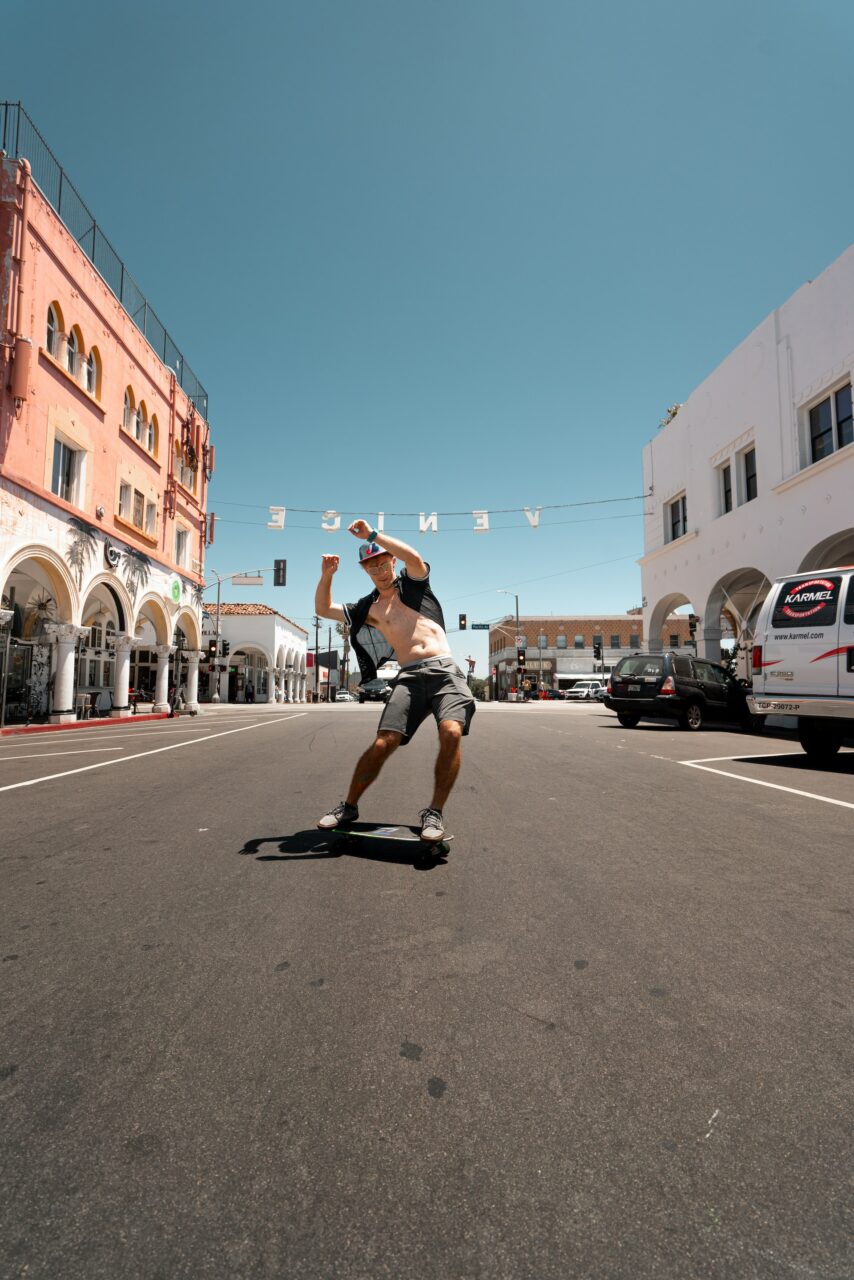
Before you hit the streets on your longboard, ensuring you have the necessary equipment and safety gear is crucial. Here’sHere’s a checklist to get you started:
- Longboard: Choose a longboard that suits your riding style and skill level. Consider factors such as deck length, width, and flexibility.
- Helmet: Protect your head with a certified helmet designed for skateboarding. Look for helmets that provide a snug fit and have proper ventilation.
- Pads and Guards: Knee pads, elbow pads, and wrist guards protect your joints and prevent injuries during falls or collisions.
- Appropriate Footwear: Wear sturdy, comfortable, closed-toe shoes with good grip to ensure stability and control while riding.
- Protective Clothing: Consider wearing long-sleeved shirts, pants, or leggings to protect your skin from abrasions and road rash.
- Visibility Gear: If you plan to ride during low-light conditions, equip yourself with reflective gear or lights to enhance your visibility to others.
Mastering the Basics:
Now that you have the necessary equipment and safety gear, it’s time to learn the fundamental aspects of longboarding. Mastering your stance and balance is crucial for building a solid foundation. Follow these steps to get started:
- Stance: Determine your preferred stance – whether regular or goofy. Regular stance means having your left foot forward, while goofy stance means having your right foot forward. Experiment with both to find your natural and comfortable stance.
- Mounting the Board: Stand beside your longboard with your feet shoulder-width apart. Place your front foot on the deck, angled slightly towards the nose. Use your back foot to give yourself a push or propel yourself forward.
- Balance and Weight Distribution: Keep your knees slightly bent and your body relaxed. Distribute your weight evenly between both feet to maintain balance and stability while riding.
- Pushing and Braking: Push off the ground with your back foot to gain momentum and speed. To slow down or stop, gently drag your back foot on the ground or use a foot brake if your longboard is equipped with one.
Mastering the Ride:
Now that you have a solid foundation, let’slet’s explore some essential techniques and manoeuvres to enhance your longboarding skills. Practise these techniques in a safe and open area:
- Pushing and Foot Placement: Practice pushing off the ground with your back foot, maintaining a steady and fluid motion. Experiment with foot placement for optimal balance and control.
- Carving involves making fluid and controlled turns by shifting your weight from one side to another. Practice carving by leaning into turns and using your body to initiate the movement.
- Foot Braking: Foot braking is vital for slowing down or stopping. The practice of gradually dragging your back foot on the ground to decrease speed, using friction to control your movements.
- Kick Turns: Kick turns are useful for changing direction quickly. Practice lifting the front wheels of your board while pivoting on the back wheels, using your shoulders and hips to initiate the turn.
- Pumping: Pumping involves generating speed and momentum without pushing off the ground. By shifting your weight and utilising the board’s flex, you can gain speed while riding on flat surfaces or through transitions.
- Falling and Rolling: Falling is part of the learning process. Learn to fall safely by tucking in your arms and rolling with momentum to minimise the risk of injuries.
Customise and Maintain Your Longboard for Optimal Performance
As you advance in your longboarding journey, customising and maintaining your longboard is crucial to ensure its optimal performance and to suit your evolving preferences and riding style. Here’sHere’s how you can go about it:
- Understand Your Components: A longboard comprises several components, including the deck, trucks, wheels, bearings, and hardware. Knowing the function and characteristics of each component is the first step to effective customisation and maintenance.
- Deck Customisation: Decks come in various shapes and flex patterns. You might consider replacing the deck if you wish to engage in a different riding style or require a different performance. Additionally, you can use grip tape to modify the traction on your deck.
- Wheels and Bearings: Different wheel sizes and durometers cater to riding styles. Softer wheels are great for cruising and rough surfaces, while harder wheels are better for sliding and technical tricks. Regularly cleaning and lubricating the bearings will ensure a smoother ride and longer bearing life.
- Trucks Adjustment: The trucks control the stability and turning of the longboard. Tightening or loosening the trucks will affect how the board turns. Tighter trucks are more stable but less agile, while looser trucks allow for sharper turns but might be less stable at high speeds.
- Regular Inspection and Cleaning: Periodically check your longboard for any wear or damage, such as cracks in the deck, worn-out wheels, or rusted bearings. Cleaning your board and its components will prolong its life and ensure better performance.
- Replace Worn-Out Parts: Don’tDon’t hesitate to replace any worn-out or damaged parts. Keeping your longboard in top shape is key to a safe and enjoyable riding experience.
- Personal Flair and Aesthetic Customisation: Add a personal touch to your longboard through stickers, custom paint jobs, or different coloured components. It’sIt’s not just about performance; it’sit’s about making the longboard truly yours.
Join the Longboarding Community
Longboarding is not just about riding; it’s also about connecting with a vibrant and passionate community. Here are some ways to connect with fellow longboarders and enhance your longboarding experience:
- Local Groups and Events: Join local longboarding groups or clubs to meet experienced riders, participate in group rides, and attend events or competitions.
- Online Forums and Communities: Engage in online longboarding forums, social media groups, and platforms to connect with riders worldwide. Share your experiences, seek advice, and learn from the community’s collective knowledge.
- Longboarding Workshops and Lessons: Consider enrolling in longboarding workshops or lessons experienced instructors offer. They can provide valuable guidance, tips, and tricks to help you progress faster and more safely.
Conclusion
With this beginner’sbeginner’s guide to longboarding, you have the essential knowledge and techniques to embark on your longboarding journey. Remember to prioritise safety, practice regularly, and enjoy the exhilarating experience of riding a longboard. Whether you’re cruising along scenic pathways, commuting to work or school, or seeking thrills through freestyle tricks, longboarding offers a unique and fulfilling way to embrace the freedom of the ride. So, grab your longboard, gear up, and let the adventures begin!
